

Fisherfolk at the Pile Bay Fish Landing Facility recently participated in a Seafood Safety and Vacuum Sealing Operations Workshop during the week of 20-23 April 2026. This training exercise was supported by the REBYC-III CLME+ project to promote the creation of value added products.
Facilitator Mrs. Rayanna Pulchan delivered an immersive learning experience to inspire stakeholders to improve their fish handling practices and explore business opportunities by producing vacuum sealed fish products. Participants also had the opportunity to design their own labels to market their product.
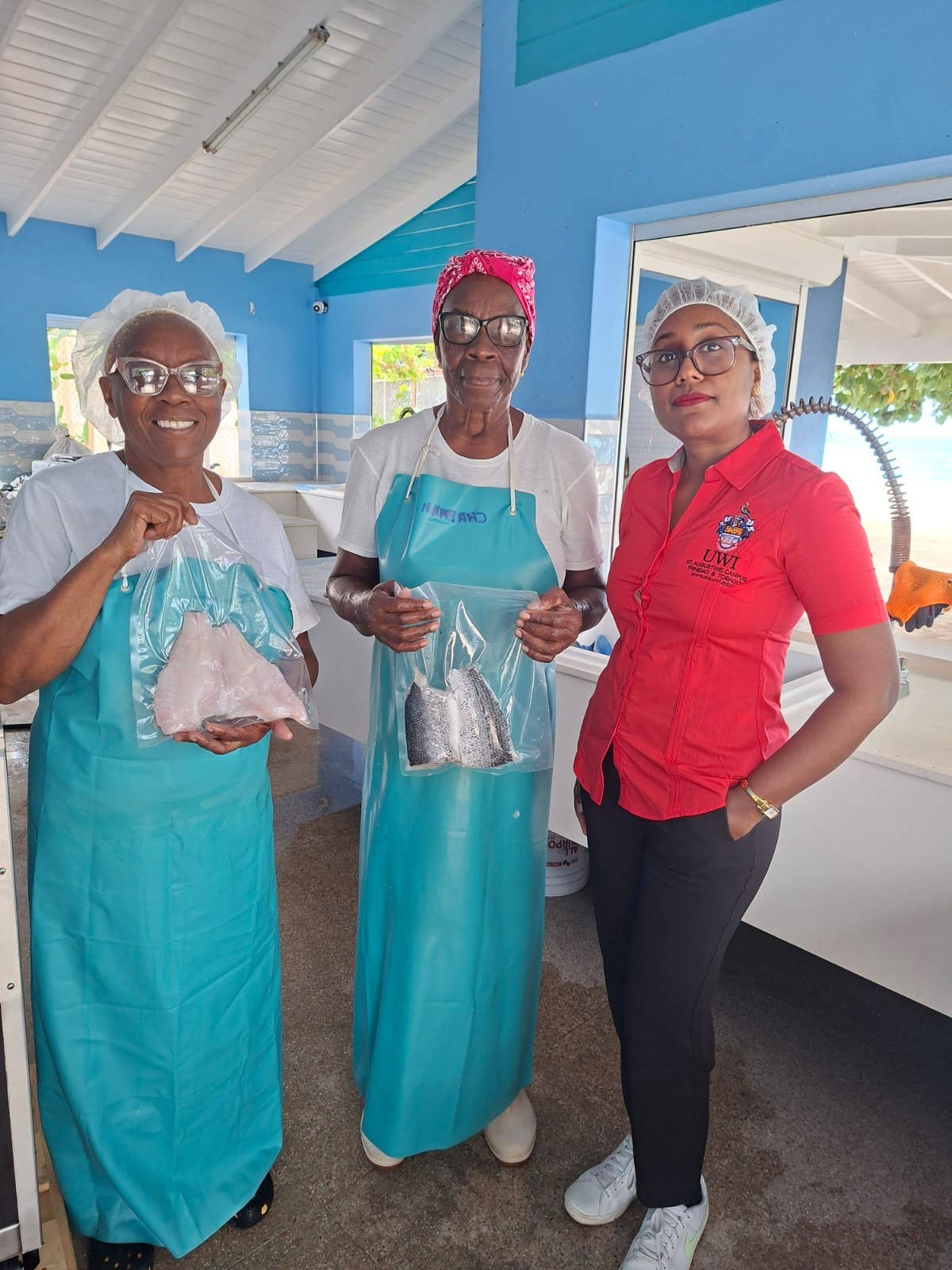
Fisheries team members from the Seafood Inspectorate also participated in the workshop to be updated on Seafood HACCP principles. From all reports, this training exercise reaped successful outcomes and will ensure that the pilot will be an example that will be replicated around the island.
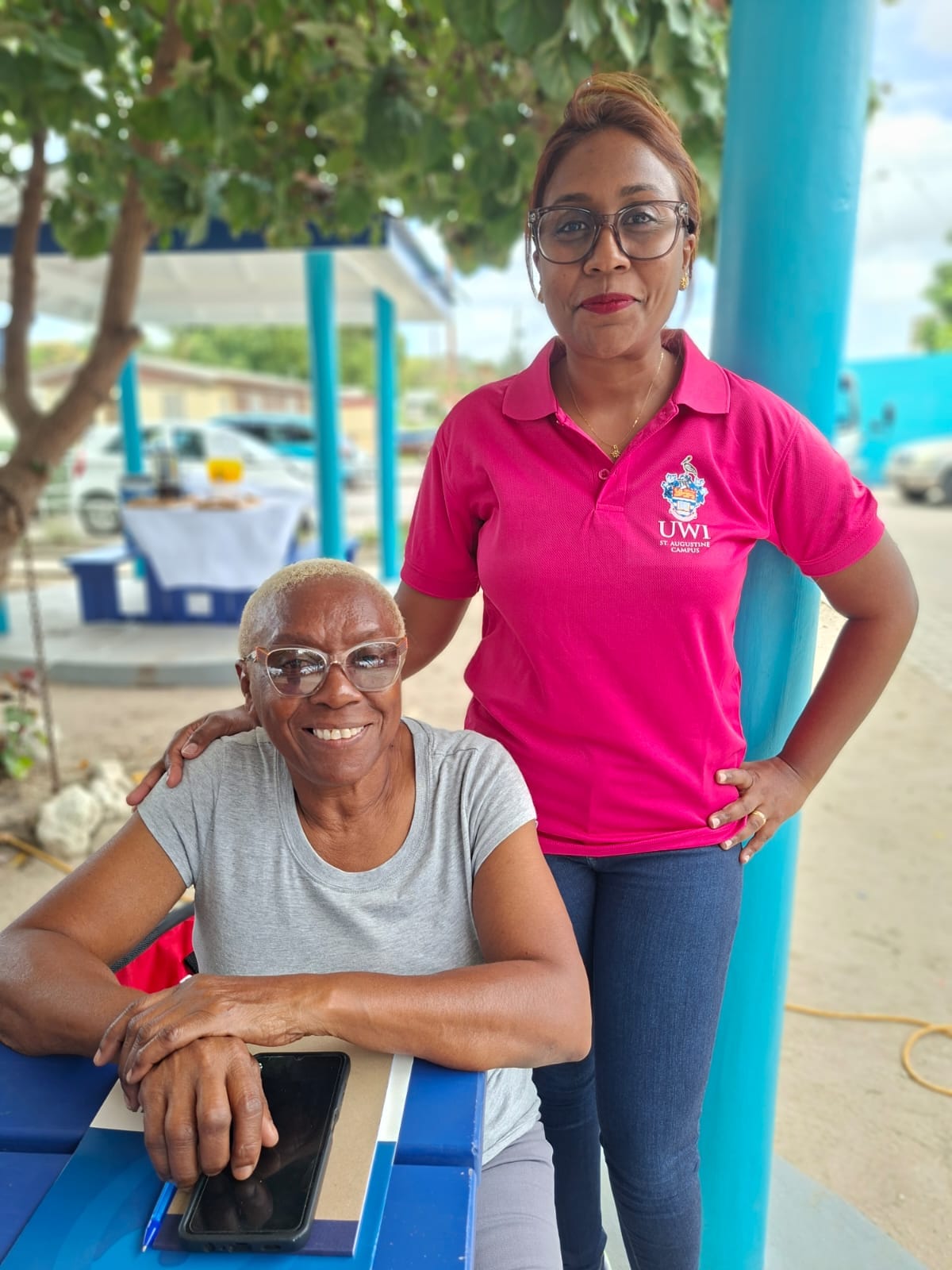
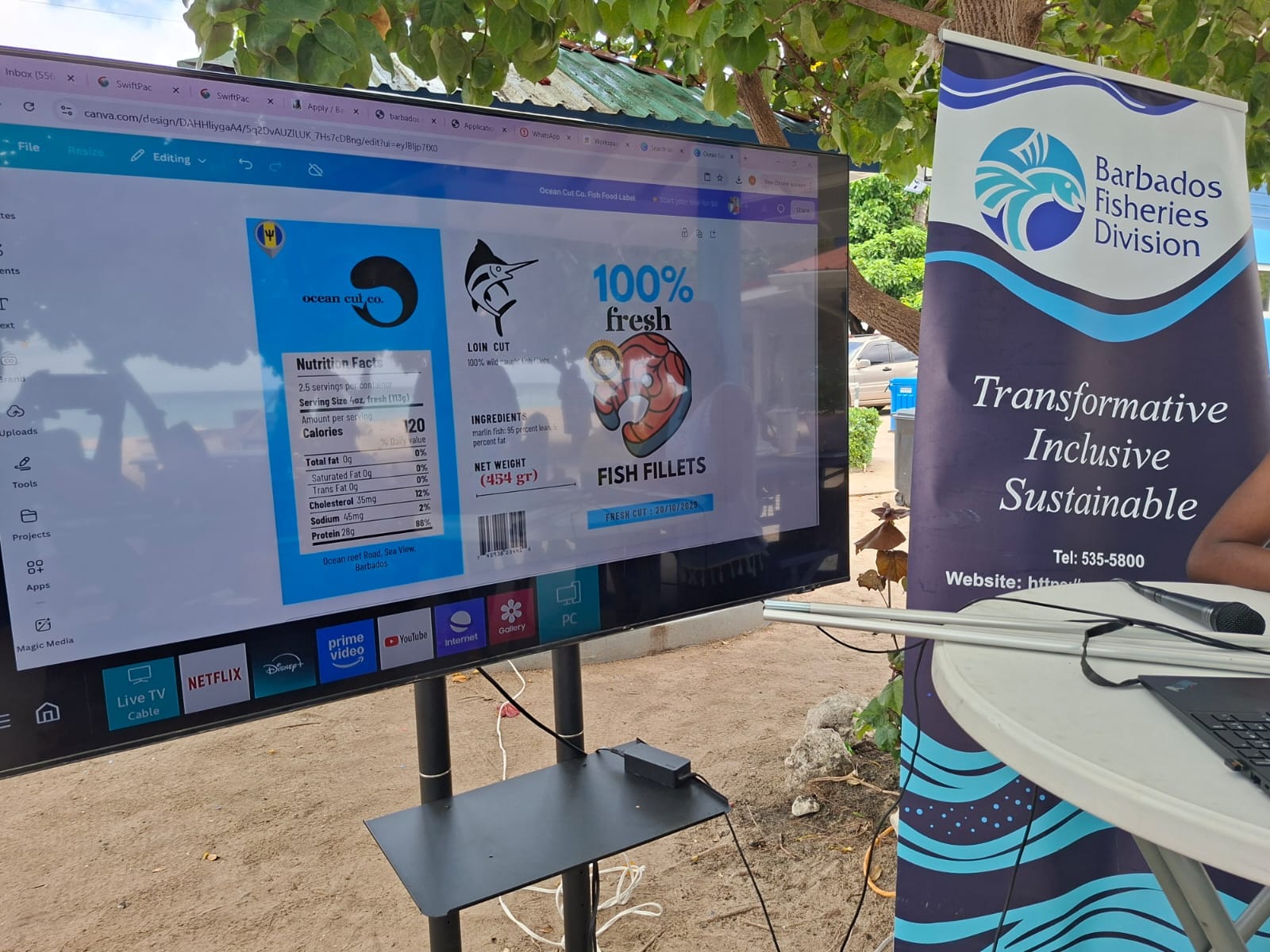
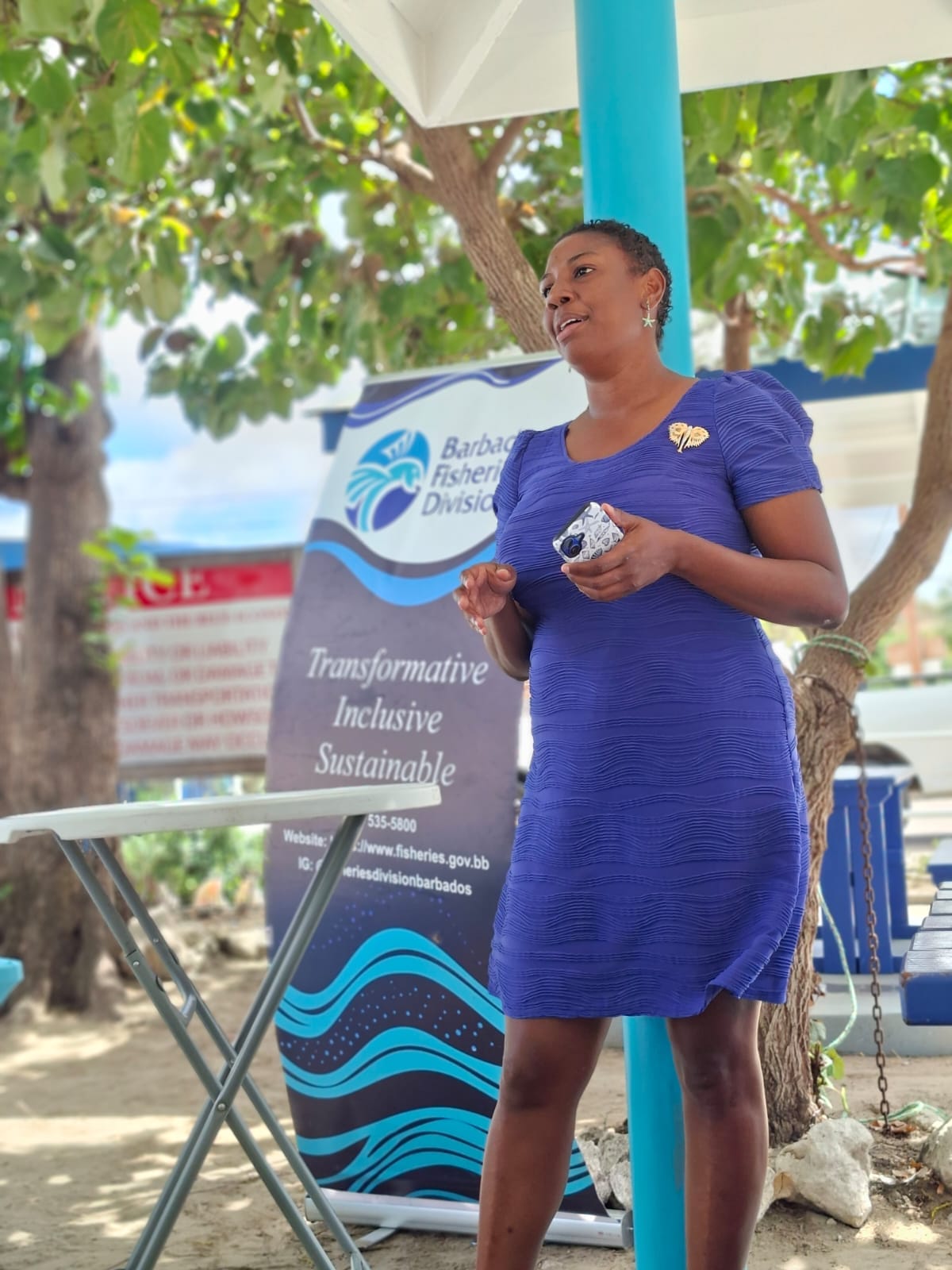
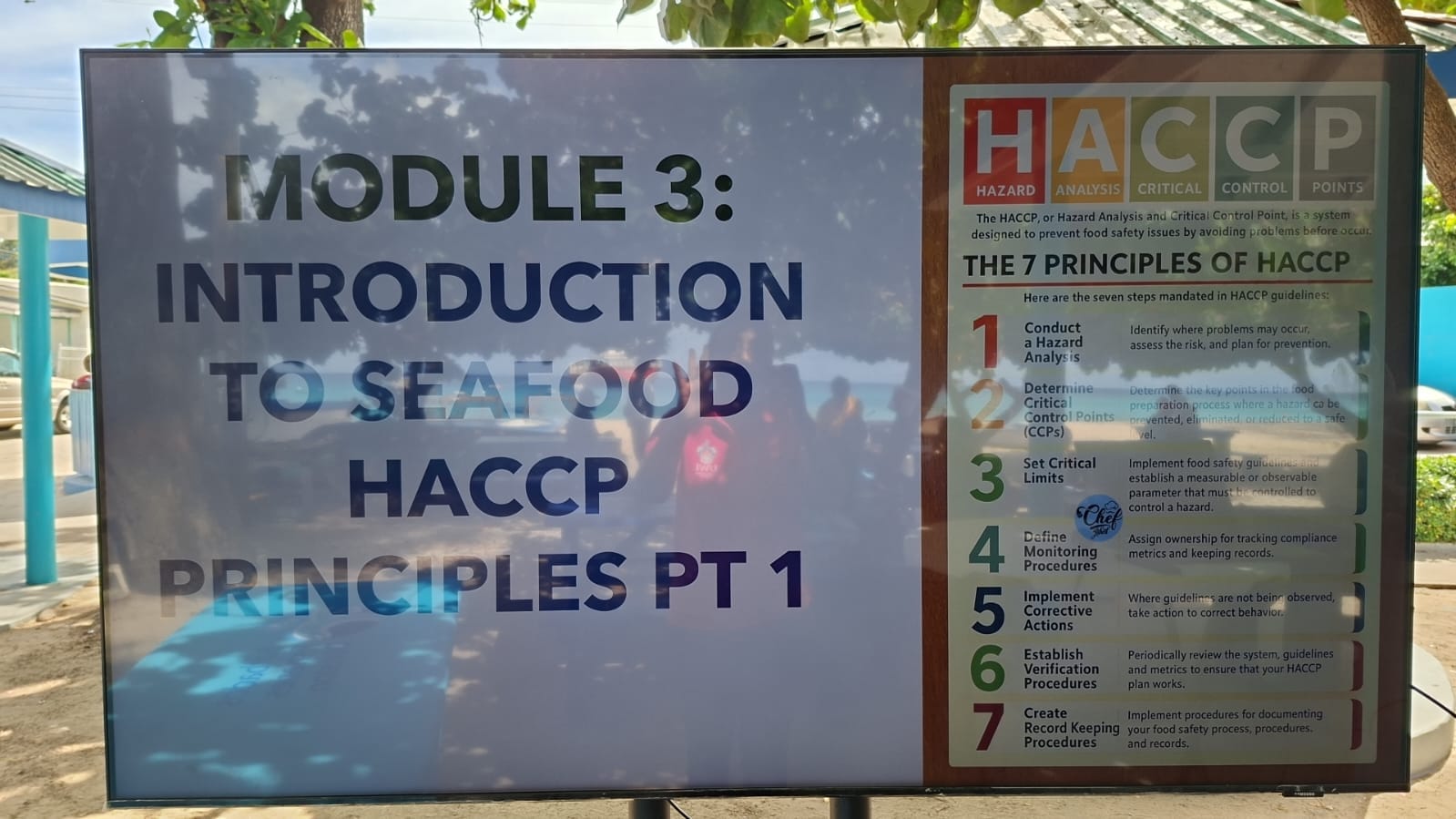
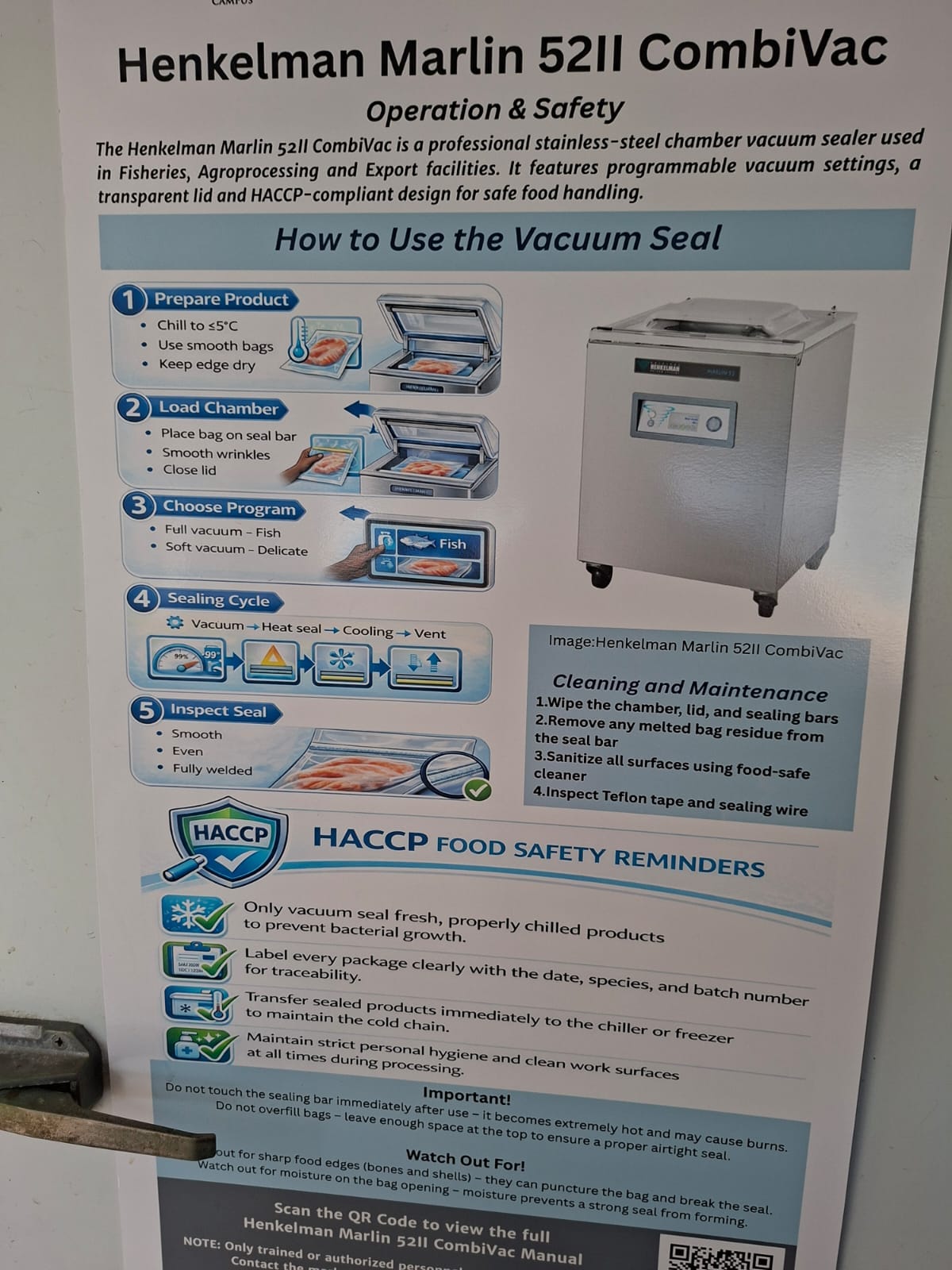
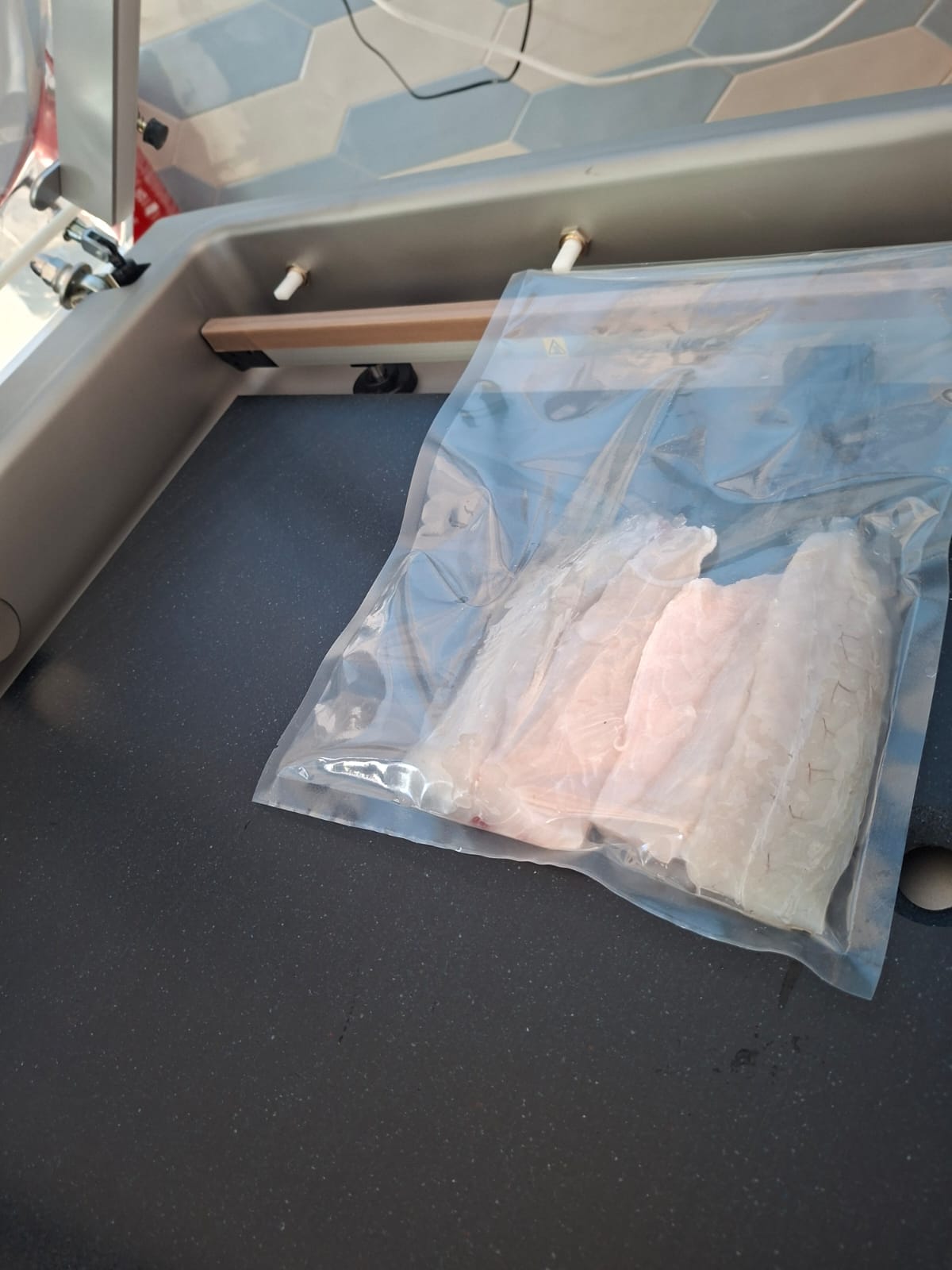
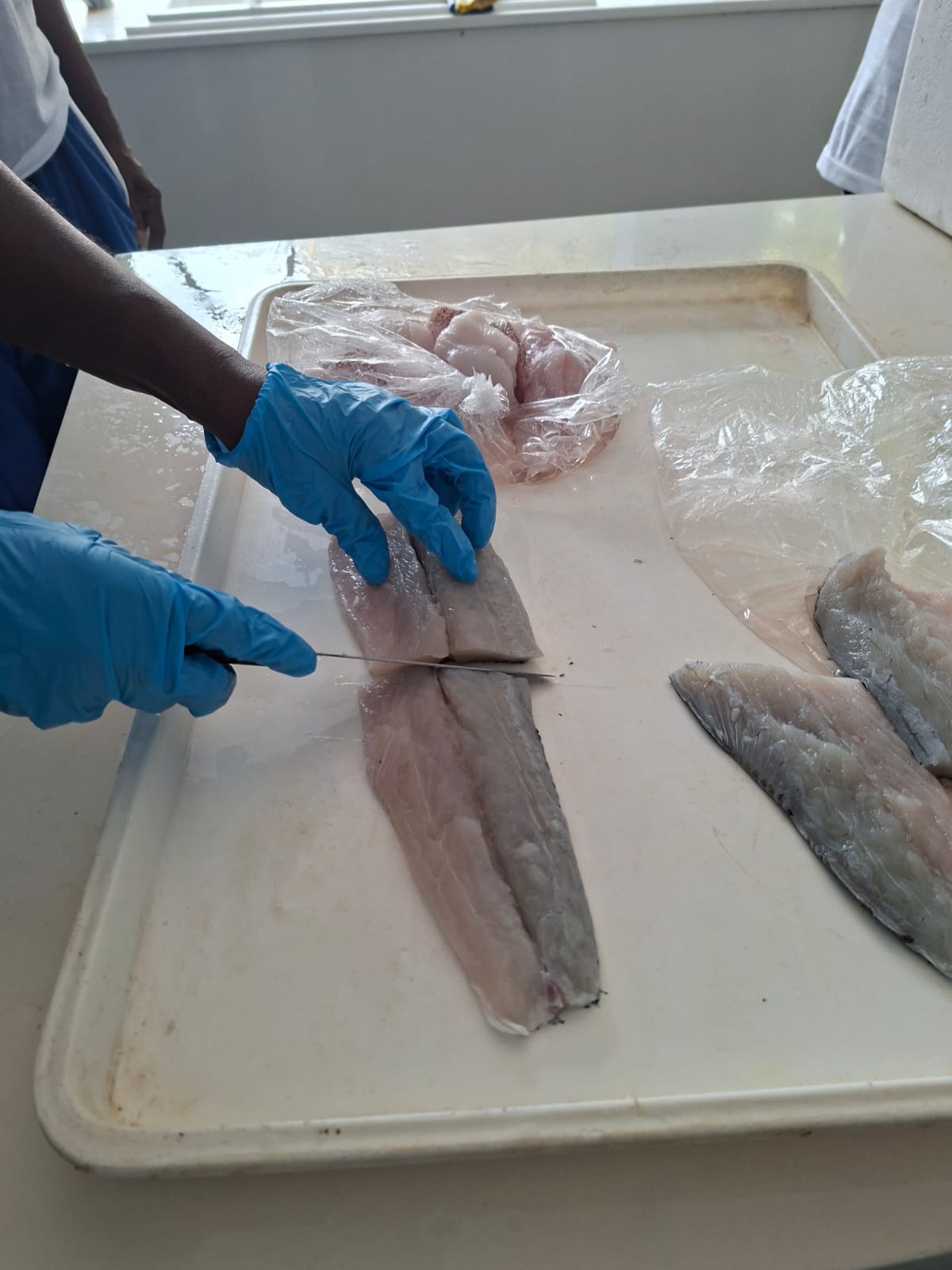
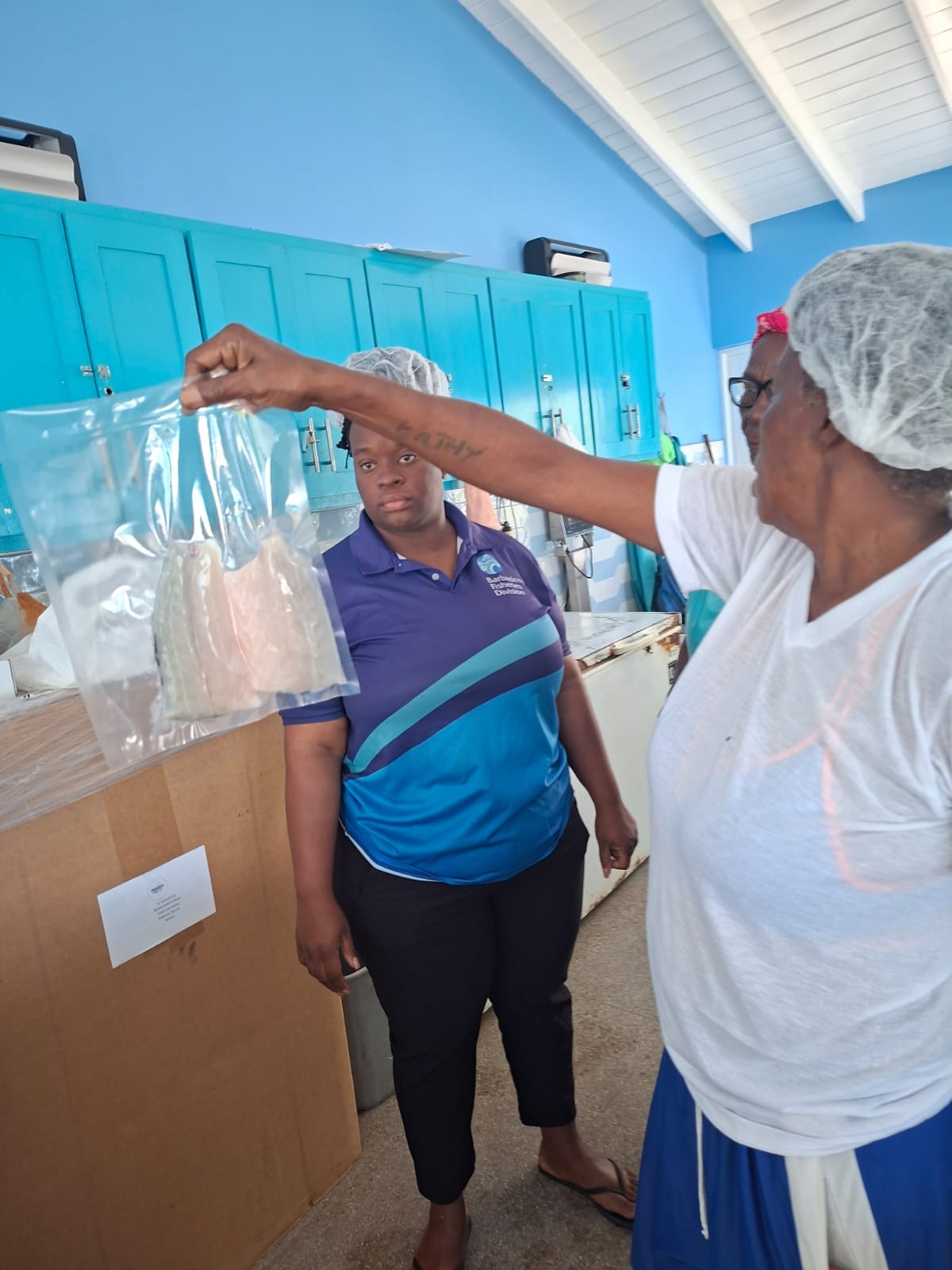
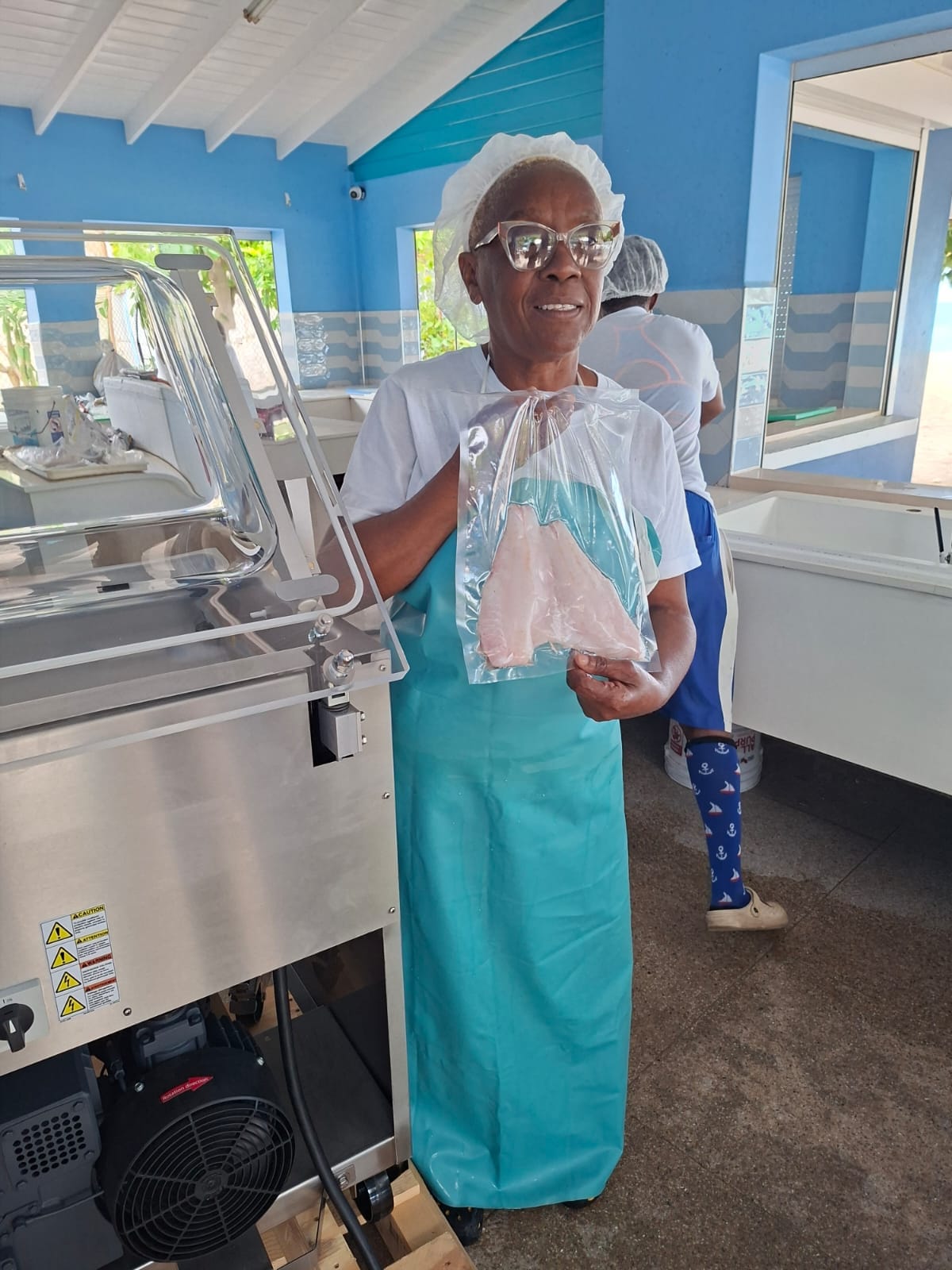
Snapshots from the training workshop at Pile Bay
Repost from @SustainableFisheriesProjects
The Barbados Vacuum Sealing Training was successfully completed from April 20–23, 2026 at Pile Bay, Bridgetown, marking an important step in strengthening post-harvest handling, food safety, and value addition in the fisheries sector.
Over four days, participants received technical instruction and hands-on training using the Henkelman Marlin 52II CombiVac system, gaining practical experience in vacuum sealing seafood products to extend shelf life, preserve freshness, reduce spoilage, and improve product presentation.
The training also covered Good Hygienic Practices, Good Manufacturing Practices, HACCP, labelling, traceability, and cold chain management, helping participants align their practices with food safety standards and market requirements.
Held in an active fisheries landing and processing area, the training gave participants the opportunity to learn in a real-world setting while strengthening skills that can support better product quality, improved market access, and greater income opportunities.
Participant feedback was overwhelmingly positive, with many expressing confidence in applying the skills gained. The training also encouraged collaboration and knowledge sharing among vendors, helping to strengthen capacity within the fisheries community.
This hands-on capacity-building initiative supports stronger fisheries value chains, improved food safety compliance, reduced post-harvest losses, and more resilient livelihoods in the sector.