

Background
The Queen conch (Aliger gigas), is a common delicacy in the Caribbean, and is enjoyed by many in Barbados. These marine snails are the largest of six species of true conch found in this region, and are generally found in relatively shallow waters between a few centimetres and 30 metres, but they can occur at greater depths. As Barbados' shelf drops off fairly quickly, it has less of a habitat for Queen conch compared to other islands in the region.
While this species has not been officially evaluated by the International Union for Conservation of Nature (IUCN) Red List and currently has no ranked status there. However, due to severe overfishing and population decline, it is listed as Threatened in the U.S. under the Endangered Species Act (ESA) and as Appendix II under the Convention on International Trade in Endangered Species of Wild Fauna and Flora (CITES). This species also falls under Annex III of the Specially Protected Areas and Wildlife (SPAW) protocol, meaning populations must be maintained at a bearable level.
It has been nearly 20 years since Prof. Hazel Oxenford led research on the Queen conch in 2007, which concluded that the high proportion of immature shells being harvested and the lack of a closed season to protect the breeding stock are issues of concern for the long-term sustainability of this resource. Therefore, we find it important to have an understanding of the local population.
2026 Research Program
Barbados would have passed the Sustainable Fisheries Management and Development suite of laws in May 2025. Various size regulations for commercially fished species have been imposed to ensure the sustainability of our marine ecosystems. This includes minimum sizes for the harvesting of Queen conch, which states that those fished must have a minimum shell thickness of 6 millimetres.
The Queen conch research program started on the 9th of June, 2026, where surveys will be conducted at 66 sites along the west and south coasts of the island. Radial surveys are being conducted to assess the abundance and structure of the conch population in Barbados. At each site, all conch found within these surveys were recorded to estimate conch abundance, and measure the shell length and lip thickness of each conch to assess the age structure of the population.
This data will play an important role in guiding future management decisions and ensuring Barbados can protect and sustainably manage this species.
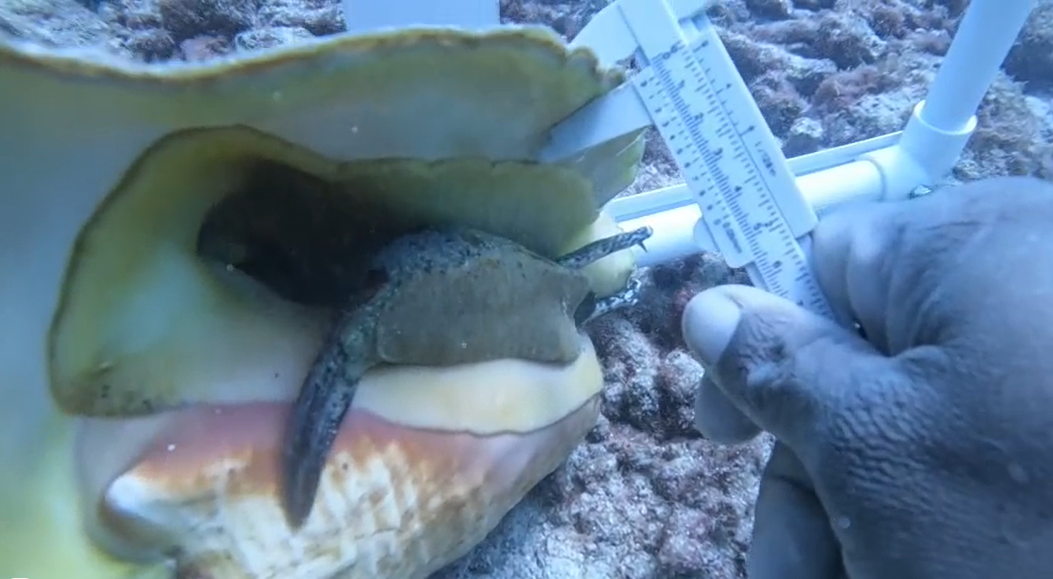
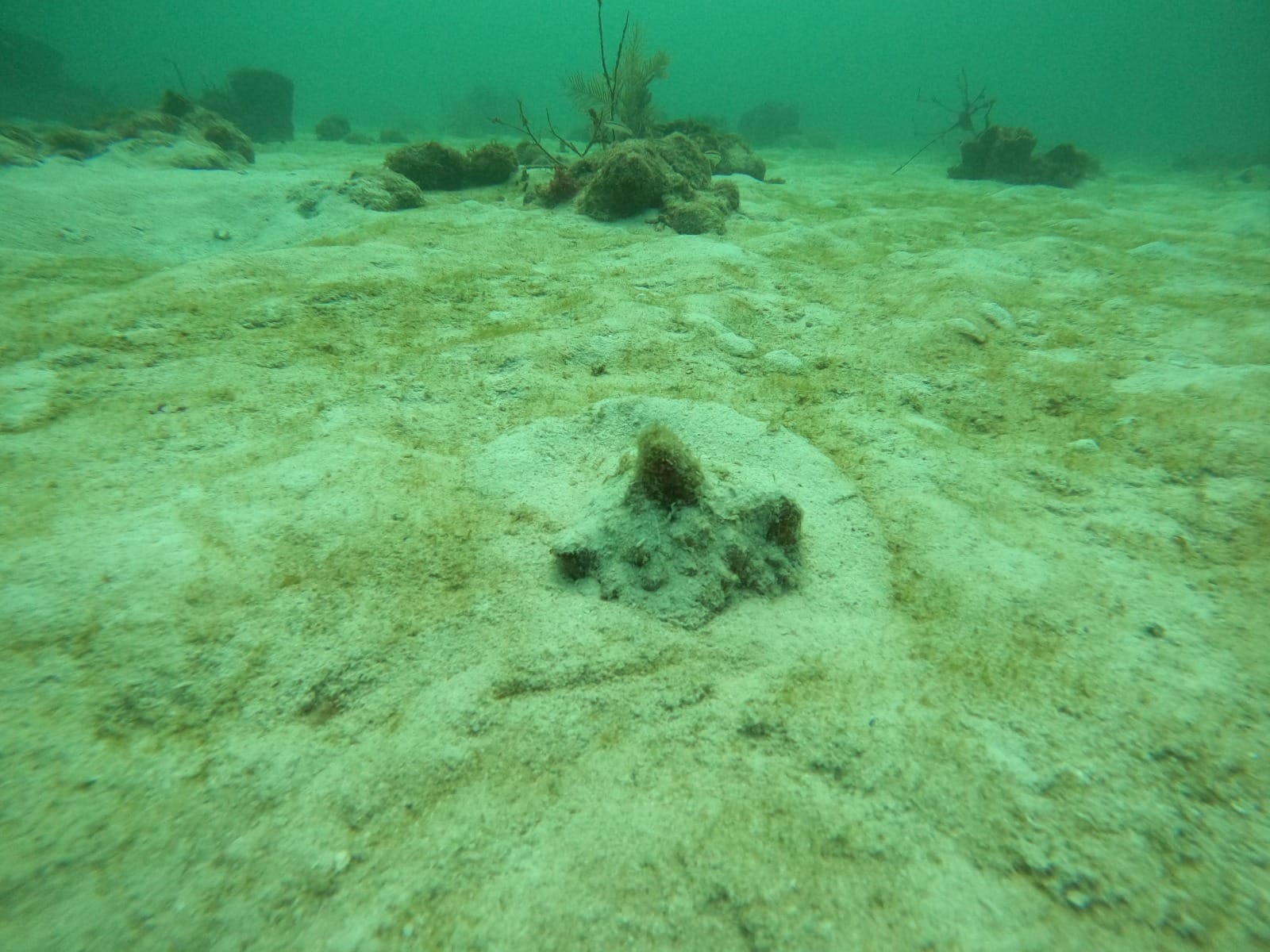
Using calipers to measure the lip thickness of a Queen conch (left) | A Queen conch almost camouflaged on the seafloor (right).
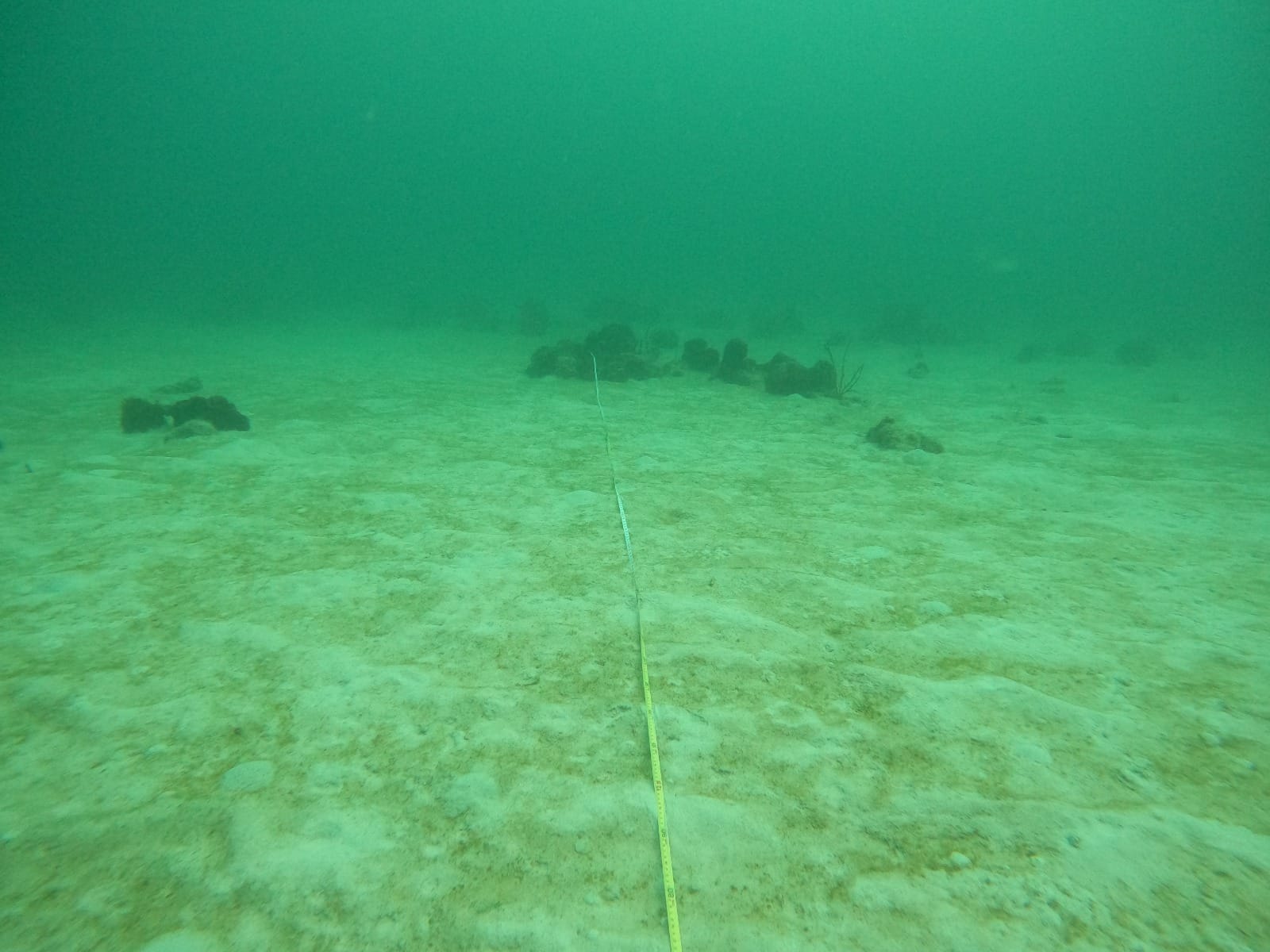
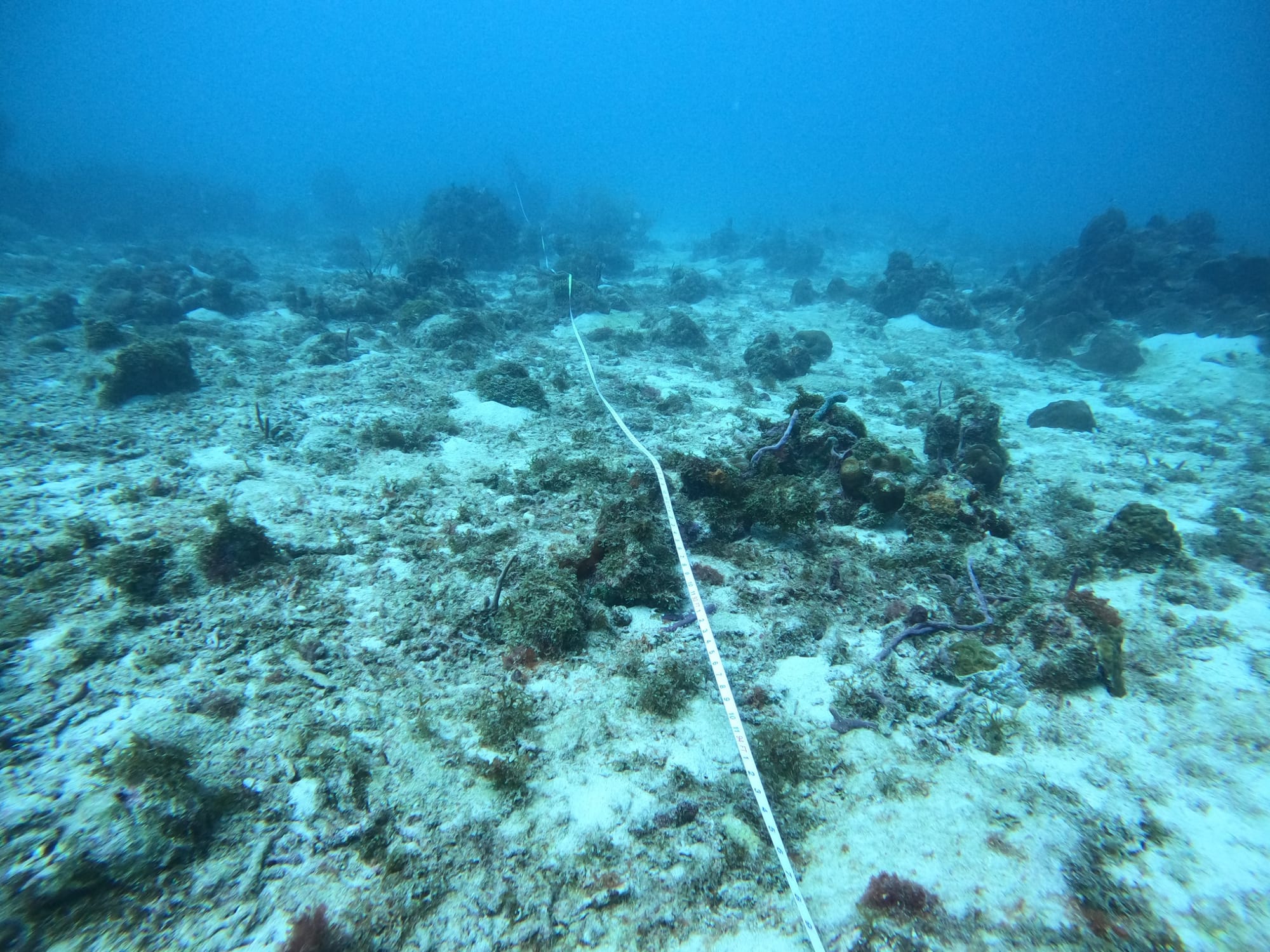
Measuring tape being stretched across 10 metres for the radial surveys.
Cover photo credit: Jennifer Doerr, NOAA SEFSC Galveston