
An Island Shaped by the Sea
For Barbados, the sea is more than a geographical boundary; it is part of who we are, how we live and what our future depends on. From the fishing communities whose livelihoods rely on its waters to the sea baths and lymes that shape our recreational culture and the coastlines that attract visitors from around the world. The ocean is woven into everyday Barbadian life. Protecting this relationship requires more than appreciation. It calls for a deeper understanding of the marine environment and the responsibility we share in safeguarding it for future generations. Blue Fest creates an opportunity to bridge that gap, deepening public understanding of the ocean and connecting marine conservation to the culture, livelihoods and future of the island.
Conservation need not feel like a distant or complicated responsibility. It can take the form of a lionfish derby, a documentary that changes how we see our marine environment or something as simple as cleaning up after ourselves on the beach. Through these experiences, protecting the ocean can become a more natural part of how we live, work and play.
The First Wave
Launched in 2019 under the theme “Introducing the Blue Economy,” the inaugural Blue Fest was organised by the then Ministry of Maritime Affairs and the Blue Economy, now the Ministry of Environment, Blue and Green Economy. This programme brought the concept of the blue economy beyond policy discussions and into the public sphere through school visits, educational tours and hands-on experiences designed to further connect Barbadians with the ocean and the industries that depend on it.
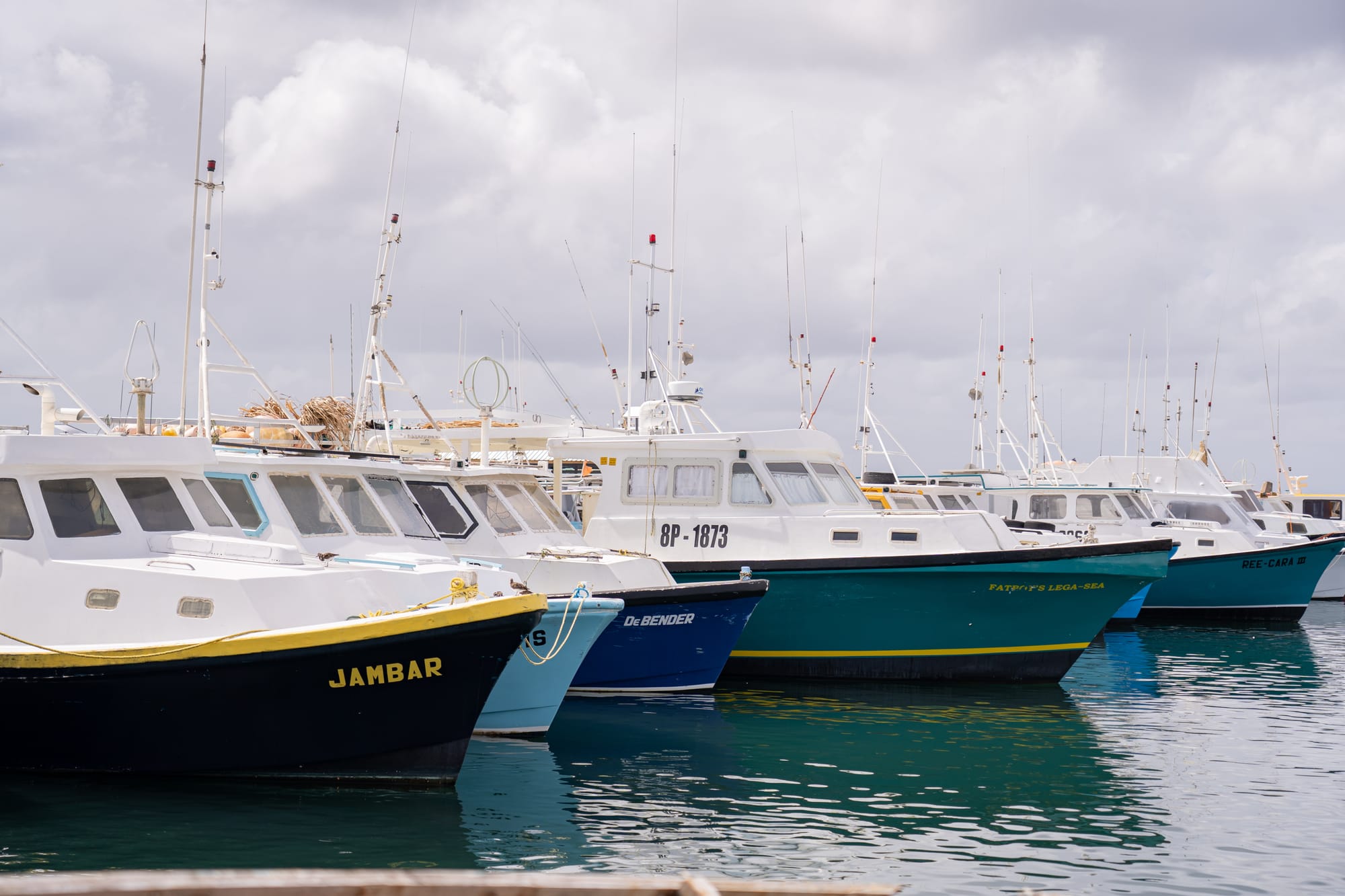
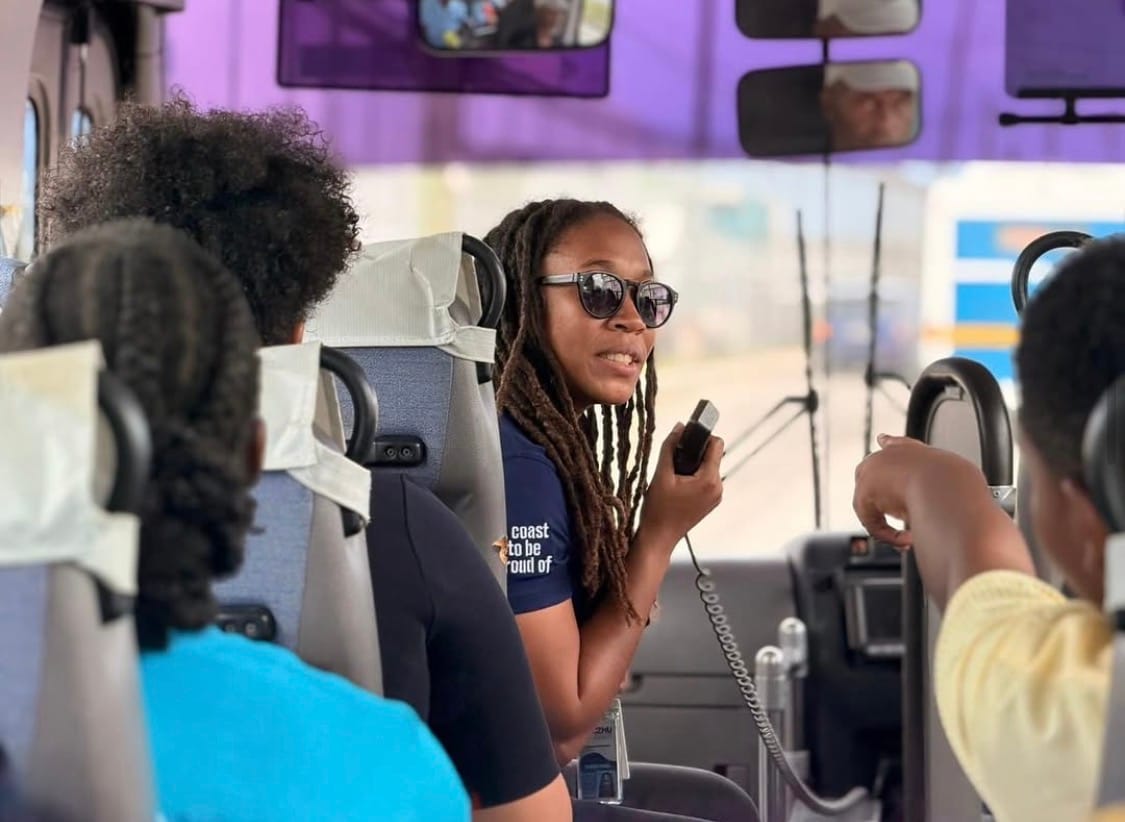
Students visited fisheries facilities, including the Barbados Coast Guard, Berinda Cox Fish Market and the Bridgetown Fisheries Complex, gaining an early introduction to the importance of marine conservation and sustainable practices. Public engagement extended beyond the classroom, with maritime tours, coastal activities and a Coastal Zone Management Unit-led hike highlighting blue economy initiatives around Bridgetown and Carlisle Bay. A heritage focused bus tour also connected coastal locations with Barbados’ maritime history, demonstrating how the island’s relationship with the sea has always shaped its development and identity.
Together, these activities helped make the blue economy more accessible to a wider audience, extending the conversation beyond policymakers, scientists and maritime professionals to include students, families and communities. At the festival’s launch, then Minister of Maritime Affairs and the Blue Economy, Kirk Humphrey linked the blue economy to climate action, employment, poverty reduction, food security and expanded economic opportunities. The message was clear: the sustainable use of the ocean was not simply an environmental concern, but an opportunity to support Barbados’ social and economic development.
From First Wave to New Horizons
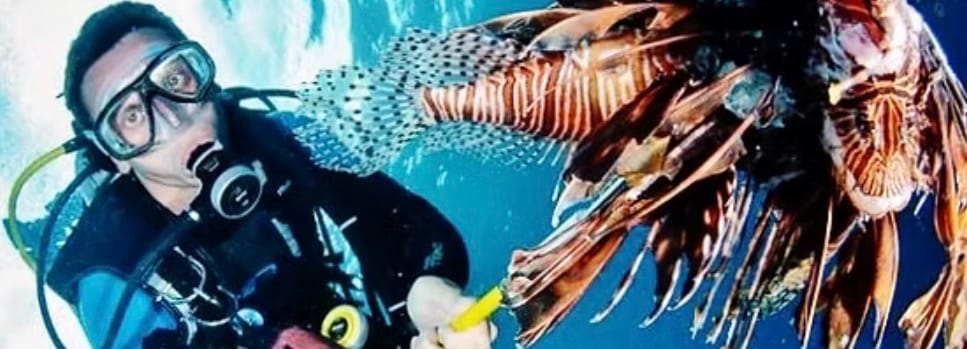
Blue Fest evolved to explore different facets of Barbados’ relationship with the sea. In late 2020, Blue Fest carried on the spirit of celebration amid COVID-19 by adapting activities delivered, utilizing hybrid and online church service, as well as a staff appreciation service. The general media helped keep the conversation alive by sharing information and experiences to keep the public connected. This was practiced again in 2021, under the theme “Telling Our Story,” the festival highlighted maritime heritage, fisheries and marine science. The theme returned in 2022, focusing on ocean pollution, biodiversity and sustainable development. By 2023, Blue Fest was re-establishing its place on the November events calendar, leading into an even stronger programme in 2024. Under the theme “Together in Harmony,” the 2024 festival featured a fish fry, film night, coastal lecture and webinars, reinforcing the shared responsibility of ocean conservation. In 2025, the national lionfish derby brought this message into action with seven participating dive teams landing a total of 117 lion fish, weighing a combined total of 68 lbs. This engaged participants in managing an invasive species through practical conservation and teamwork. A lecture on the Barbados Marine Spatial Plan further highlighted the importance of sustainable marine management.
Social media has since helped extend Blue Fest’s reach, sharing research, activities and experiences beyond the events. Collaboration between the Ministry’s Departments; the Fisheries Division, the Coastal Zone Management Unit and the Barbados Marine Spatial Plan has also highlighted the connections between fisheries, coastal protection and marine management. Together, these efforts help build public awareness and nurture a shared culture of marine stewardship.
In 2026, Blue Fest returns under the theme “Blue Horizons: Innovation and Resilience for a Thriving Ocean,” continuing to connect Barbadians with the ocean and their role in protecting its future.
Blue Horizons: Innovation & Resilience for a Thriving Ocean
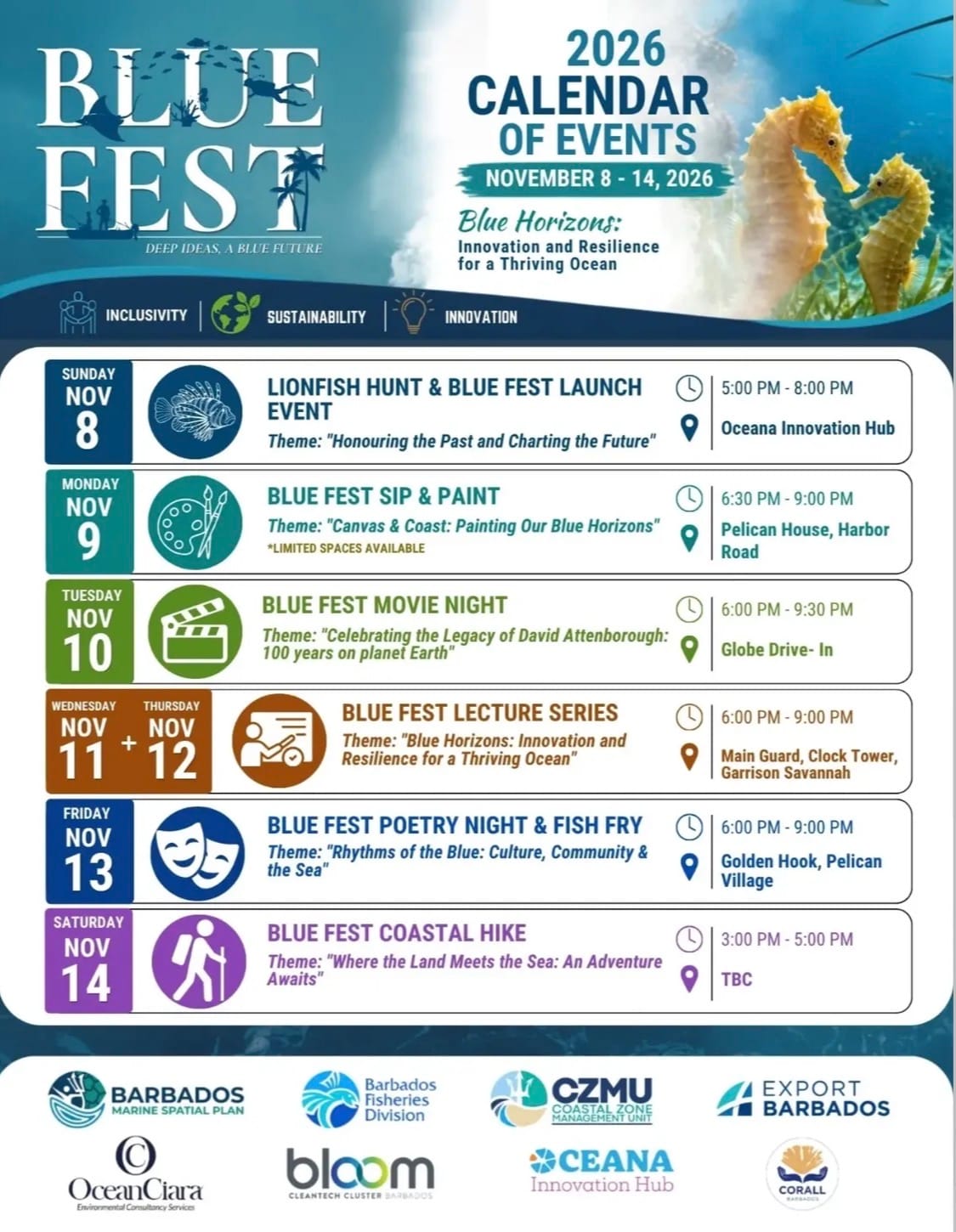
From November 8th to 14th, Blue Fest 2026 brings the conversation around ocean sustainability, innovation and resilience to life through a week of experiences designed to connect people with the ocean in new and meaningful ways. Under the theme “Blue Horizons: Innovation and Resilience for a Thriving Ocean,” the festival opens on Sunday, November 8th, with the 2nd Annual Lionfish Hunt and Blue Fest Launch at the Oceana Innovation Hub, celebrating the theme “Honouring the Past and Charting the Future.” From there the programme invites participants to get creative and explore the relationship between people and the sea through art at Canvas & Coast: Painting Our Blue Horizons on Monday, November 9th, followed by a screening celebrating David Attenborough’s 100 years on Planet Earth at the Globe Drive-In on Tuesday, November 10th.
The conversation then moves into deeper waters on Wednesday, November 11th and Thursday, November 12th with the Blue Fest Lecture Series at the Main Guard, Clock Tower, Garrison Savannah, exploring “The Blue Horizon: Innovation and Resilience for a Thriving Ocean.” On Friday, November 13th, “Rhythms of the Blue: Culture, Community and the Sea” brings poetry, food and fellowship together at Golden Hook, Pelican Village, before the festival closes on Saturday, November 14th, with the Blue Fest Coastal Hike, “Where the Land Meets the Sea.”
This week of events reflects the power of collaboration in advancing a shared vision for Barbados’ blue future. The festival is being brought to life through partnerships between the Barbados Fisheries Division, the Barbados Marine Spatial Plan, the Coastal Zone Management Unit, Export Barbados, Ocean Clara, Bloom, Coral and other well noted institutions and companies. Together, these participating departments and organisations create opportunities for science, policy, culture, creativity and community to meet, demonstrating that ocean stewardship is a shared responsibility with a place for everyone.
Whether you come to learn something new, express your creativity, discover more about our marine environment or simply spend time connecting with your community, there is an opportunity to get involved. Choose an event, invite a friend and bring your family along to be part of the conversation shaping the future of our ocean. Follow the Fisheries Division on Instagram for updates on event times, locations and participation details.
Beyond the Blue
Ultimately, Blue Fest is about more than a week of activities; it is about building a lasting connection between Barbadians and the ocean that sustains us, and recognising the role each of us can play in protecting it for generations to come.
Ultimately, the success of Blue Fest extends beyond the week of celebrations. It lies in the conversations that continue, the knowledge shared, the connections strengthened and the everyday choices that follow. By bringing communities, stakeholders and organisations together, the festival hopes to deepen public understanding of Barbados’ marine environment and inspire more responsible practices in how we interact with it. As Barbados looks towards a more sustainable blue future, Blue Fest serves as a reminder that protecting our marine resources is not the responsibility of one department or industry, but a collective commitment. The horizon ahead is one we must shape together, ensuring that the ocean continues to sustain our livelihoods, enrich our culture and support generations to come.