

April 1st, 1944 now feels like a distant twinkle on the ocean's horizon, but will always be remembered fondly as the day the Barbados Fisheries Division officially opened its doors. Throughout the past 82 years, the Division has had the pleasure of supporting the food security of a Small Island Developing State (SIDS) by working closely with the island's fishing fleet through its various evolutions.
The year '82 was also an important one for the industry, seeing the opening of the first modern fish processing company in Barbados, Barbados Fish Processing Ltd. It was also the year that the United Nations Convention on the Law of the Sea (UNCLOS) was adopted; the international treaty establishing the legal framework for all ocean activities, marine resources (such as fisheries), and maritime boundaries.
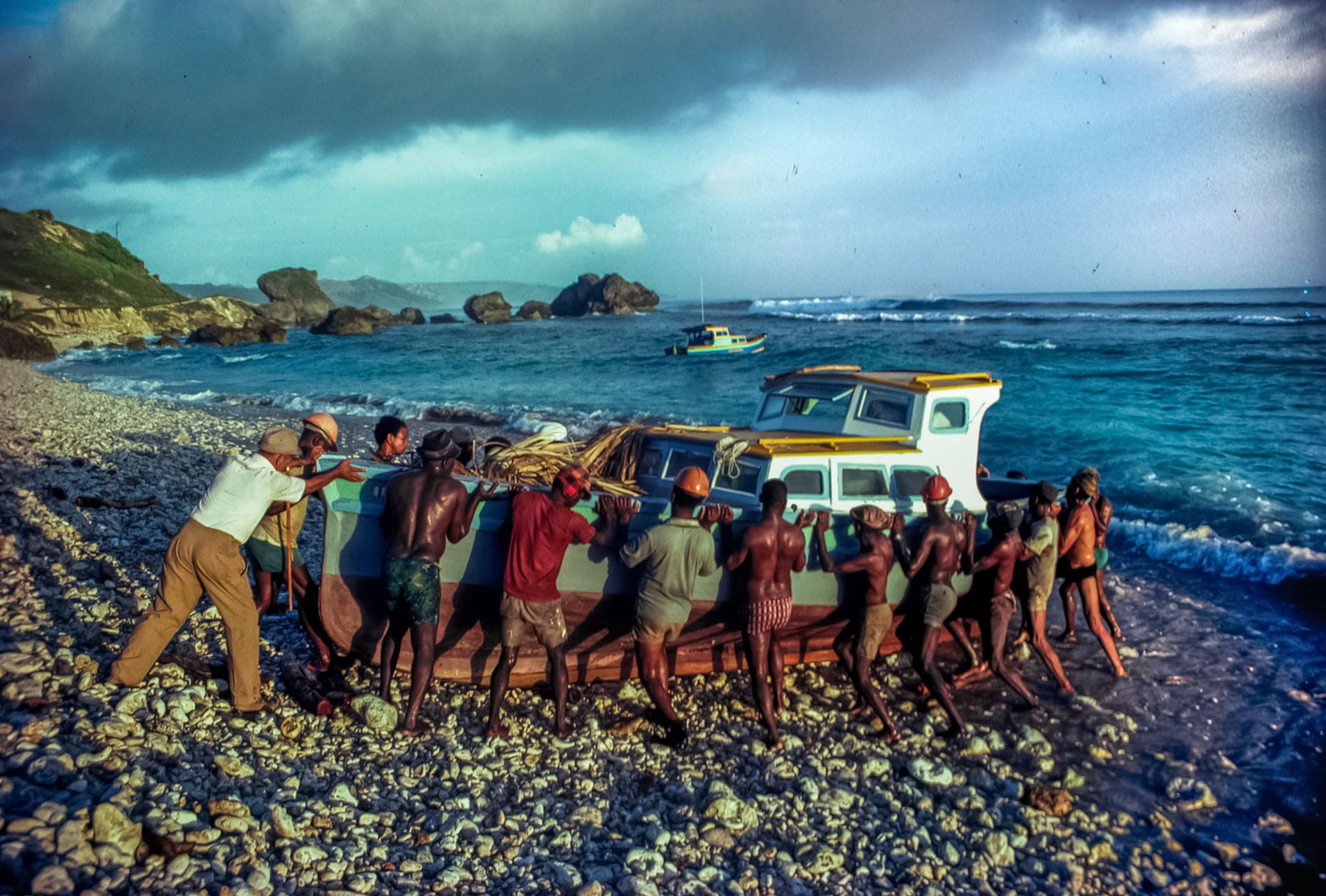
The Barbados Fisheries Division – 82-years young!
By Christopher Parker
On April 1st 1944 the Barbados Fisheries Division was established within the then Department of Agriculture and Science, with Mr. Dudley Willie Wiles, a 33-year-old plant diseases inspector and recreational fisherman in the said Department, chosen to head the fledgling Division. Later in the same year a clerk, Oswald Moseley, was added to the staff. The 1937 riots had emphatically alerted the British government of the dire social and economic conditions that existed in Barbados at the time. In response, a Royal Commission under the chairmanship of Walter Edward Guinness, 1st Baron Moyne, and more popularly referred to simply by his nobility title of Lord Moyne, was set up to examine the social and economic causes for the riots. One of the major recommendations of the Commission was that Barbados should become more self-sufficient in food production and to this end, government-led development of fishing Industry became a priority.
Indeed, up to that time there had been very little government involvement in the management and development of the local fishing industry and this neglect was a major factor in the fishing industry not living up to its social and economic potential especially in contributing to the colony’s food security needs. Simply put the fish were out there for the taking, but the industry needed to be organized and developed to improve both fishing and marketing efficiency. These objectives could only be realized via what in modern parlance would be referred to as a Public, Private Partnership (PPP).
To this end one of the first steps was to bring stakeholders who were experts in their respective fields together to collectively define the development paths first for the Barbados fishing industry. The first such advisory body was styled as the Fishery Committee under the chairmanship of the Labour Officer in 1943. However, along with the establishment of the Fisheries Division as the Government entity in the de facto PPP, a reconstituted Fisheries (Advisory) Committee was established in 1944 under the chairmanship of the Director of the Department of Agriculture designed to advise on the range of technical, financial and legal issues pertaining to the most urgent and key areas recognized as critical to the development of local fisheries. It should be noted that these were the technical skillsets needed to achieve the immediate objectives of rehabilitating the fishing fleet and developing suitable market infrastructure.
Within just the first decade of its existence, the new de facto Public Private Partnership of the Fisheries Division, under the talented leadership of Wiles, the Fisheries Advisory Committee and of course the fisherfolk themselves, revolutionized the local fishing industry. In this regard, by 1949 government loan schemes administered through the Fisheries Division and the FC had provided over 700 loans to fisherfolk to repair existing, or build new fishing vessels meeting the objective of the rehabilitation and expansion of the fishing fleet and in this context, by 1951 through the loan schemes the fishing fleet had increased by about 196 boats.
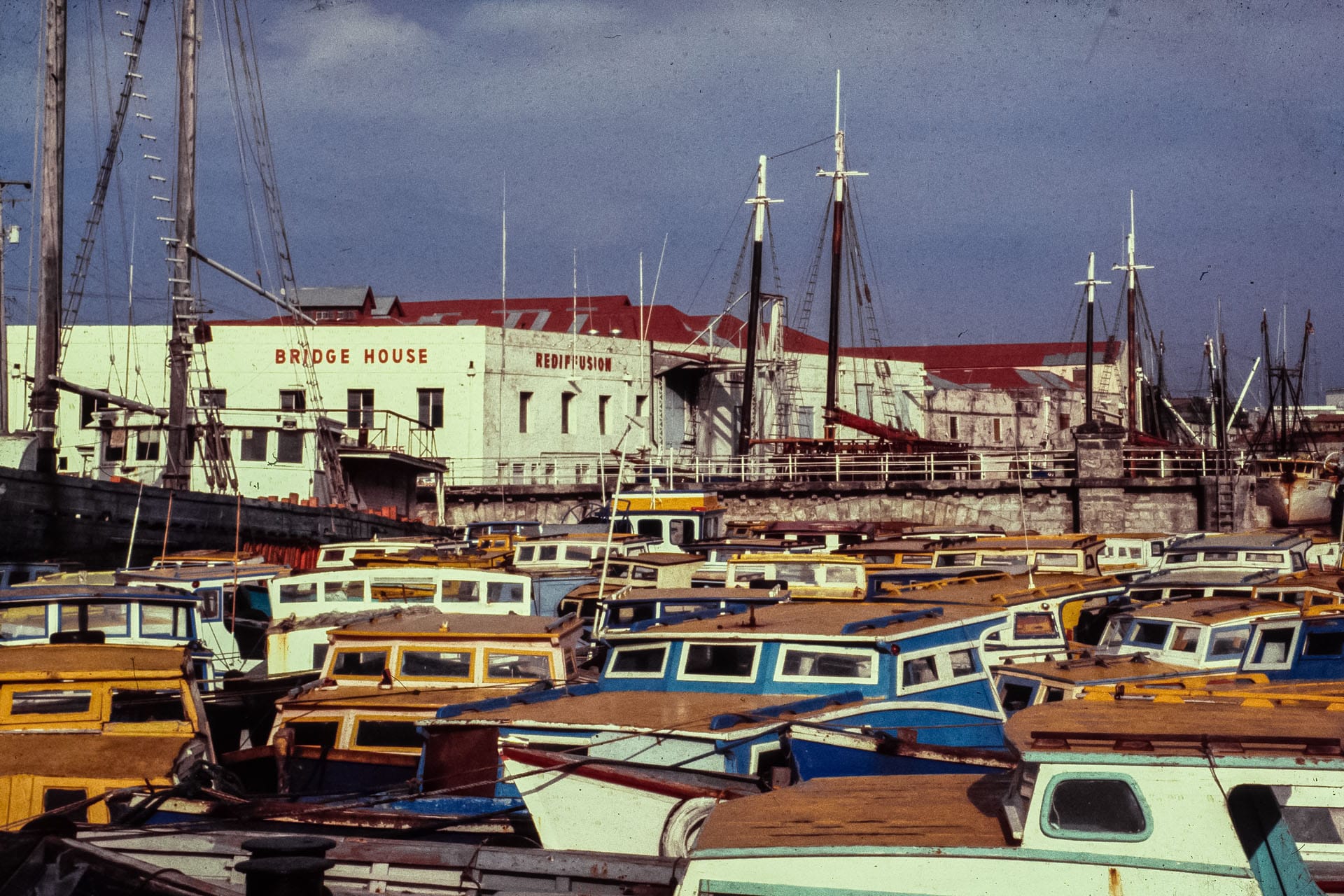
In relation to market infrastructure the first of the new fish markets (Cheapside) was opened in Bridgetown as well as sheds with basic amenities for fish processing and sale at Consett Bay, Martins Bay, Reids Bay and Skeetes Bay. As a means to offset the costs of running the markets, fishers were charged a small toll based on the weights of each type of fish landed and this data in turn represented the island’s first systematically collected fish landings dataset.
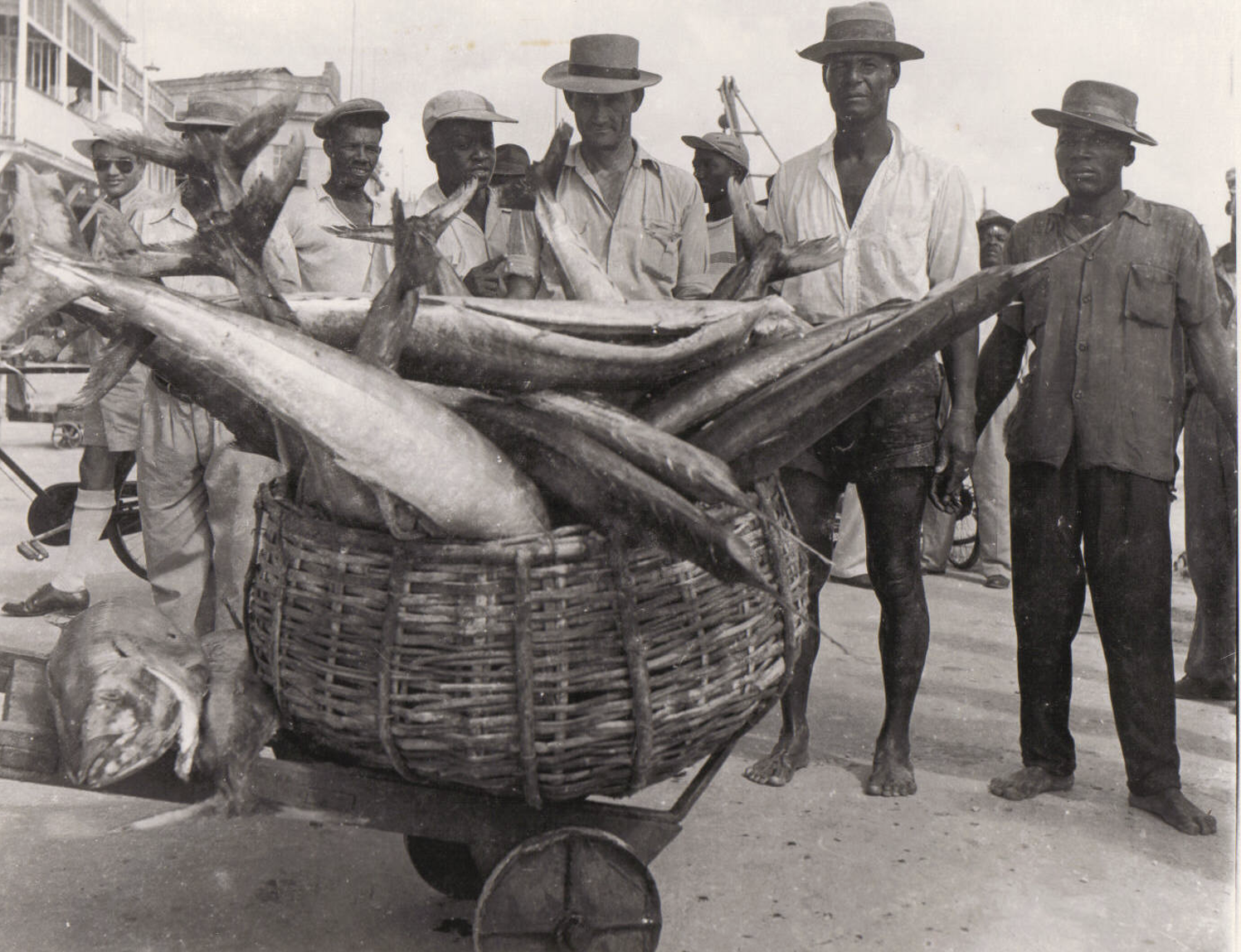
By the end of 1949, two other critical steps in the fisheries revolution were in place…the establishment of the Fisheries Experimental Station at Reef Road, and the launch of the first local motor-powered fishing vessel and the Division’s Research Vessel, the Investigator. The pivotal research conducted by the Fisheries Division, particularly from the Investigator, among other things, directly resulted in the introduction of gillnets to the flyingfish fishery (in 1951) and wire fishing lines to improve the catch rate of large pelagic species such as kingfish (Figure 1), which often bit through the natural fiber lines used at the time. The introduction of these fishing gears greatly improved fish catches. For example, in just two years after introduction, the entire local flyingfish fleet was using flyingfish gillnets, resulting in a 60% increase in landings of this keystone species.
By 1954, the end of the first decade of the existence of the Fisheries Division, Government’s investment in the Fisheries PPP was paying significant dividends with the contribution to the island’s Gross Domestic Product (GDP) from fishing estimated at 3.2% compared to the meagre 0.5% in 1938. In the context of marketing, two more major fish markets had been established (Oistins in 1950 and Speightstown in 1954). In an April 1955 speech, Wiles said that “The year 1954 to 1955 can well be described as our busiest year…” This statement was to prove nothing short of prophetic as just 5 months later the next major phase in the revolution of the local fishing industry commenced.
On September 22nd 1955 hurricane Janet, the first hurricane to significantly impact Barbados in over 50 years (the previous being the Windward Islands Hurricane of 1898) struck Barbados causing widespread destruction especially to the island. The hurricane resulted in the death of 35 persons including 3 fishermen, seriously injured 150 and made 28,000 people homeless. In addition, the hurricane damaged 36 sailing vessels and totally destroyed 19 sail, 3 motor launches and a large number of moses. In the wake of the destruction, government took the opportunity to promote the mechanization of the fishing fleet by offering loans to fishermen to convert their damaged boats from sail to motor propulsion, utilizing the many trees felled by the hurricane as lumber for the boats. The motorization revolution also proceeded at a rapid rate and in just three years there were 430 motor powered boats in the fleet compared with 18 in 1954, and by 1962, no active fishing sail boats remained in the local fleet.

Ironically, the increased efficiency of the fleet became the fishers’ worst enemy as the larger fish catches increased sales competition at the markets and increased the frequency of market gluts. The solution to this dilemma was cold storage of the catches to stabilize the market. By 1957 a private enterprise, the Blue Line Fishing Co., operated the island’s lone fish processing plant, which included a small cold storage facility at Sherman’s St. Peter. However, a government operated facility for the use of the general national fishing fleet was needed.
This need was initially to be met with the establishment of the Barbados Marketing Corporation (BMC) in 1963, the plan being that the BMC would buy the fish from the fishermen at guaranteed minimum prices, store and process the fish for final sale to the general consumer either whole or in filleted form. However, the fish were hand filleted resulting in a production bottleneck and coupled with the limited storage capacity dedicated to the industry, the arrangement was of limited value to the fishers. In addition, most fishermen landed their catches in the afternoon sometimes after sunset and especially given the limited capacity of the facility, they first tried to sell as much of the catch through the traditional market arrangements directly from the boat to consumers or vendors, only then taken what remained to sell to the BMC. However, after spending so many hours off ice, by the time the catches were delivered to the BMC, the quality of the fish had deteriorated to such extent that they were simply refused.
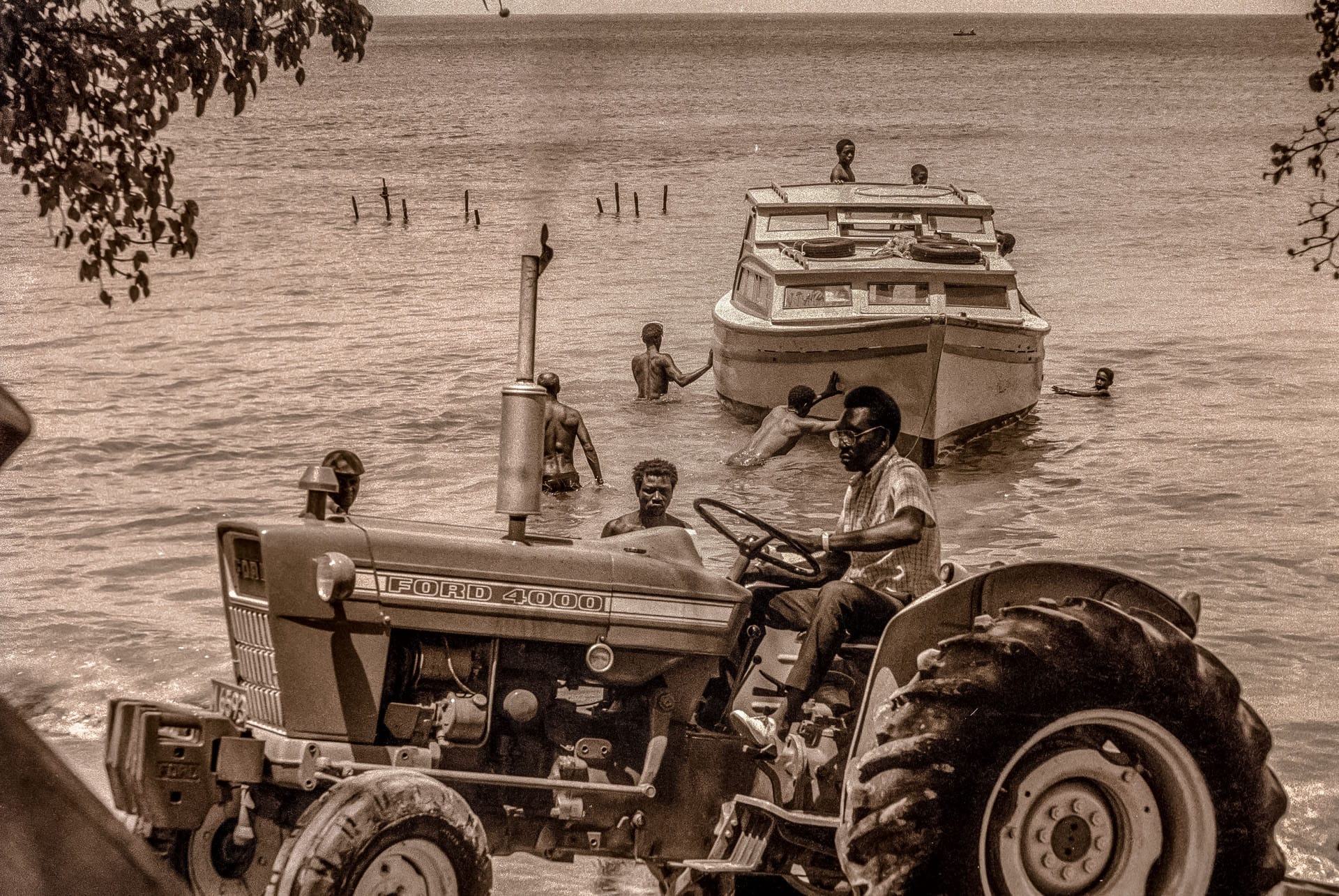
The solution was to provide cold storage on the fishing boat itself. The innovation in this regard was initially driven by the “Private” component of the PPP. Perhaps better known as a champion Jockey, in 1964, Mr. Harry (Challenor) Jones imported a 47-foot boat from England that had a built-in ice-hold that used wood shavings for insulation. Jones sent the boat to Tobago where it was used both as a fishing boat itself as well as a mother boat collecting fish taken from other smaller Tobagonian boats in the area. However, in the early 1970’s an enterprising St. Philip fisherman, Basil John Harding first installed an insulated fiberglass icebox with a storage capacity of 2.5 tonnes in his locally built boat “Supermare”. This became the prototype of the Barbadian “ice-boat”. Although Mr. Harding had been one of the boat-builders at the Fisheries Division’s Reef Road boatyard, the boat was built by one of the most famous local boat builders, Mr. Luton Babb in Shermans St. Peter. By the latter part of 1978, other larger boats that included larger capacity iceholds (8-20 tonnes) entered the fleet, the first of these large custom built iceboats was Cetrek in 1976, while the first locally made GRP iceboat was the Stella Marie in 1978. By the early 1980’s the economic advantages of iceboats were being lauded by fisheries authorities and academics and overtime the Barbadian pelagic fishing fleet was transformed with the addition of new custom-built iceboats or dayboats converted to iceboats.
The last significant addition to the local fleet was again initially the result of Private initiative, by no other than Mr. Challenor Jones again. In this case, US longliners began successfully fishing in Eastern Caribbean waters for swordfish and other large pelagics in the winter of 1983-1984. By 1988, Mr. Jones had started a business collaboration with the captains of two American longliners for which he acted as the vessel’s local agents. He recruited some local fishermen to work on the US vessels for them to acquire training in longlining. He then installed a longline in the 42 ft. iceboat which he built at his home thus making it the first local longliner, which he named Paddy Bird. Early in the 1990’s the Barbados Development Bank commissioned a feasibility study on the potential for developing a longline fishery in Barbados after receiving a number of requests for funding local longline operations. Since that time the Barbados longline fleet has grown in numbers appreciably.
It is impossible to discuss all of the changes that have occurred over the last 82 years in the local fishing industry here. So let us fast forward to the present where the Fisheries Division continues to perform its dedicated role in the local fishing sector PPP. Critical to this is the focus on the sustainable management and development of local fisheries while facing myriad new challenges head on. To this end, this octogenarian agency is moving with a renewed sense of purpose now with a supporting up to date and fit for purpose legislative framework, utilizing cutting-edge technologies for monitoring fishing vessels at sea, both for the protection of our fishers and for gathering essential fisheries data, promoting the development of climate-resilient fisheries infrastructure and is in the capable hands of an energetic and dedicated team keenly focused on realizing the Division’s stated mission “to ensure the optimum utilization of the fisheries resources in the waters of Barbados for the benefit of the people of Barbados through management and development.”
Happy 82nd Birthday Fisheries!
 Editor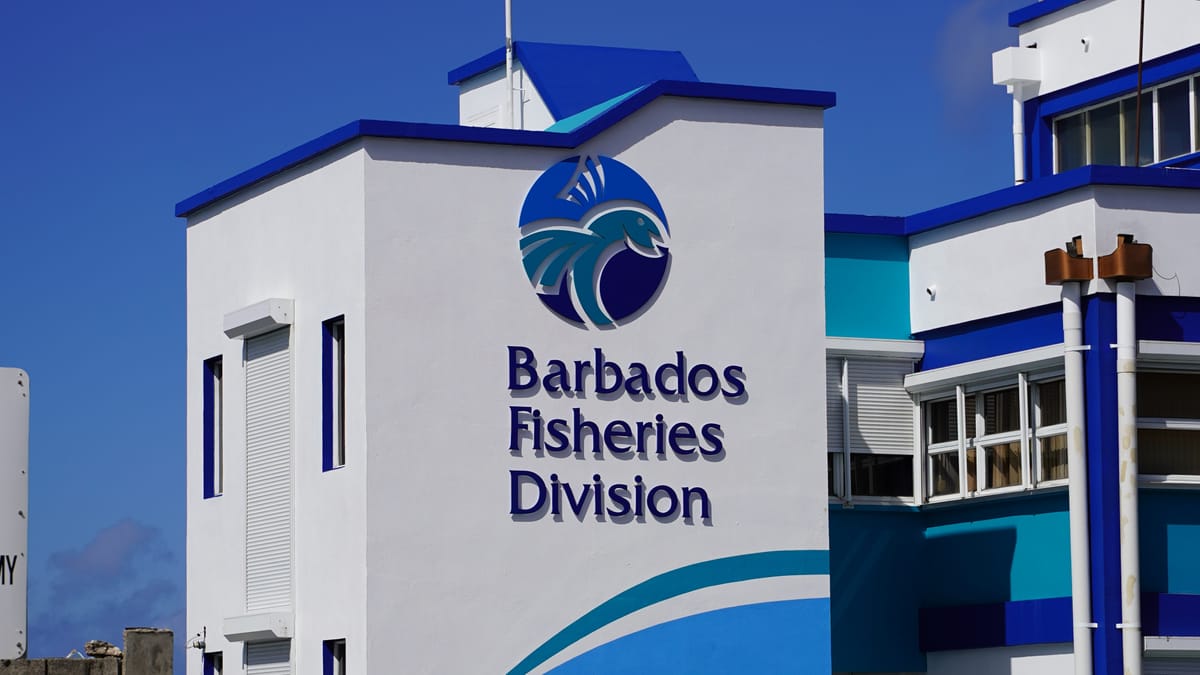
=