11 February - The theme of International Day of Women and Girls in Science (IDWGIS) 2026 is “Synergizing AI, Social Science, STEM and Finance: Building Inclusive Futures for Women and Girls.” As societies grapple with widening inequalities, the integration of artificial intelligence (AI), social science, Science, Technology, Engineering and Mathematics (STEM) and finance emerges as a four-pillar approach to accelerate inclusive and sustainable development.
AI offers powerful tools for data analytics, health diagnostics, climate modelling and more; however, without targeted interventions, its benefits risk bypassing women and girls. Social science insights guide the design of equitable policies, community engagement and behaviour-change strategies, ensuring that STEM and AI innovations reach marginalized groups. STEM disciplines provide the technical skills required to develop, implement and maintain AI solutions, while fostering gender-balanced research teams. Financial mechanisms—including impact investing, blended finance and gender-smart funds—unlock capital to scale women-led innovations and sustainably fund STEM education and research and development (R&D).
Synergizing these four domains can help dismantle persistent barriers by closing gender gaps in digital skills, catalysing women-driven start-ups, advancing gender-responsive AI governance, and mobilising finance that embeds social inclusion as a performance metric.
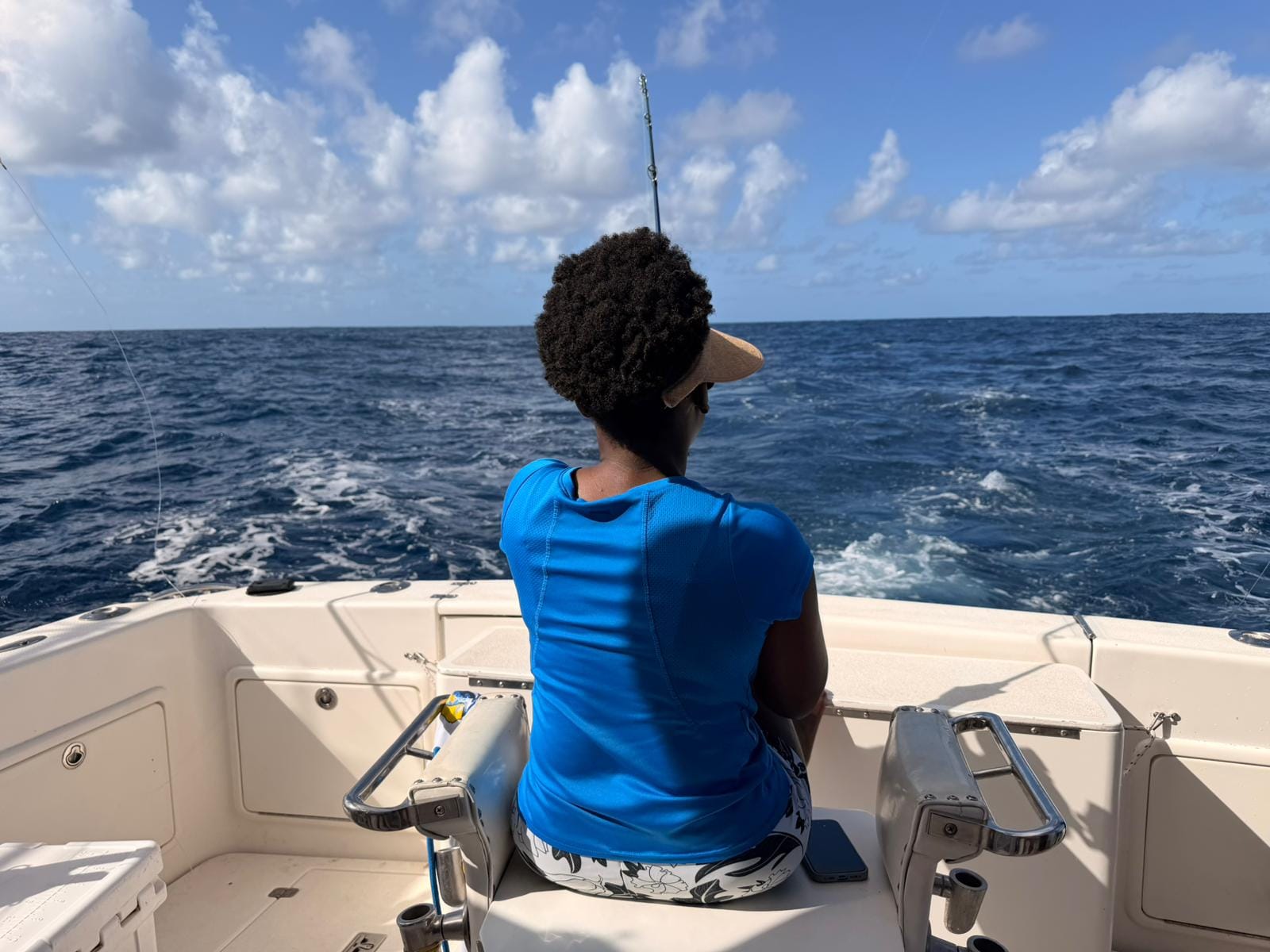
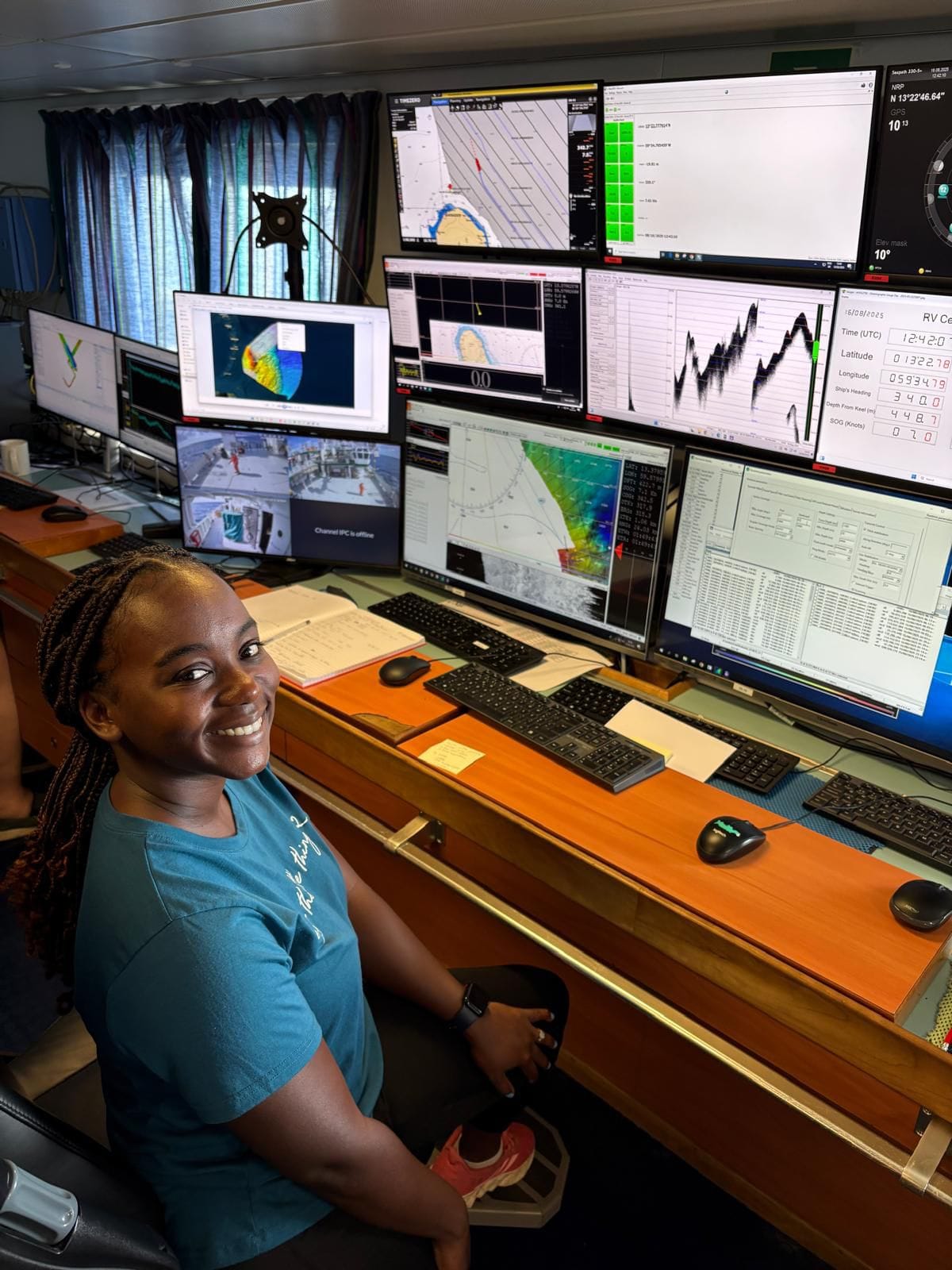
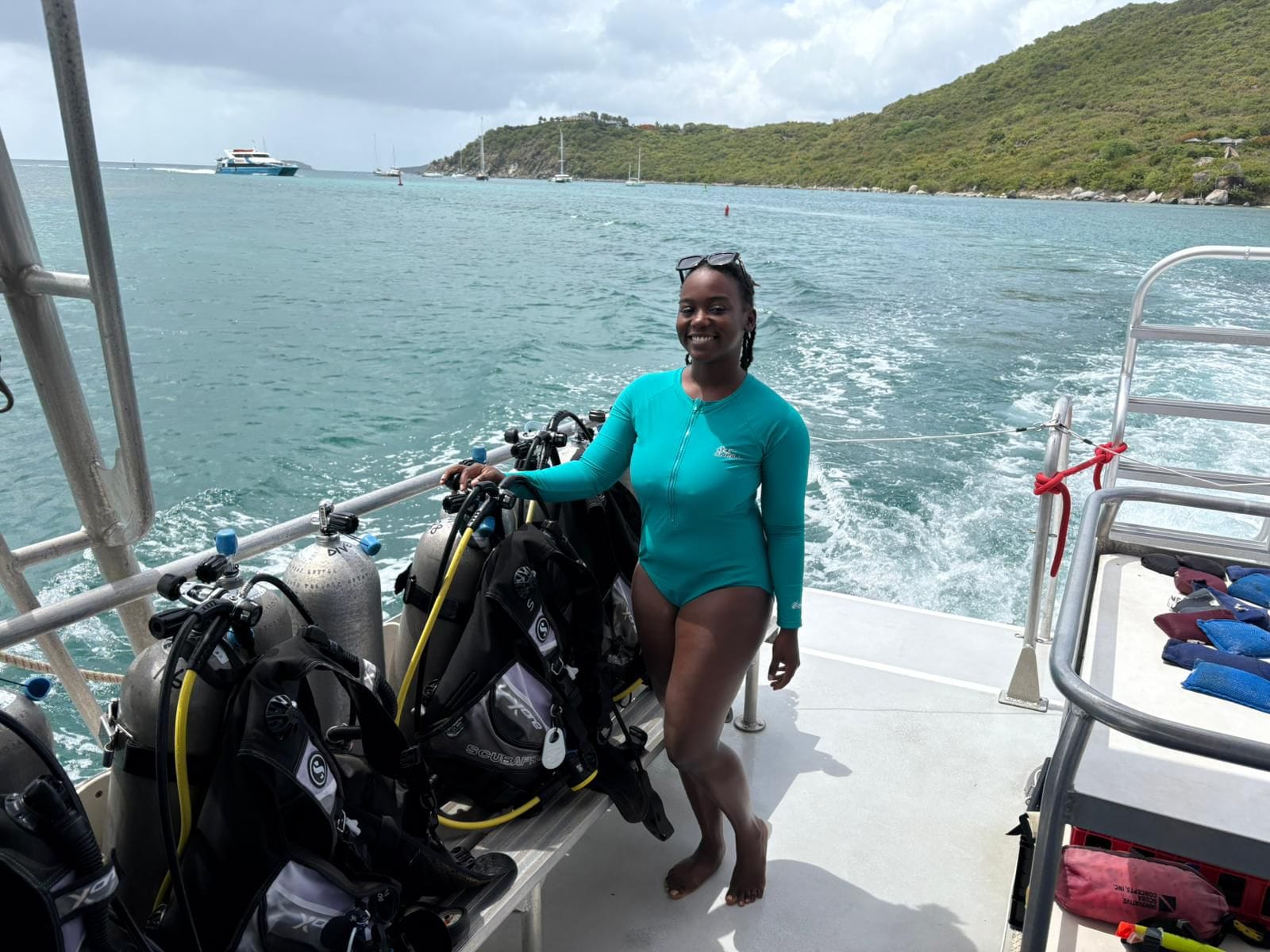
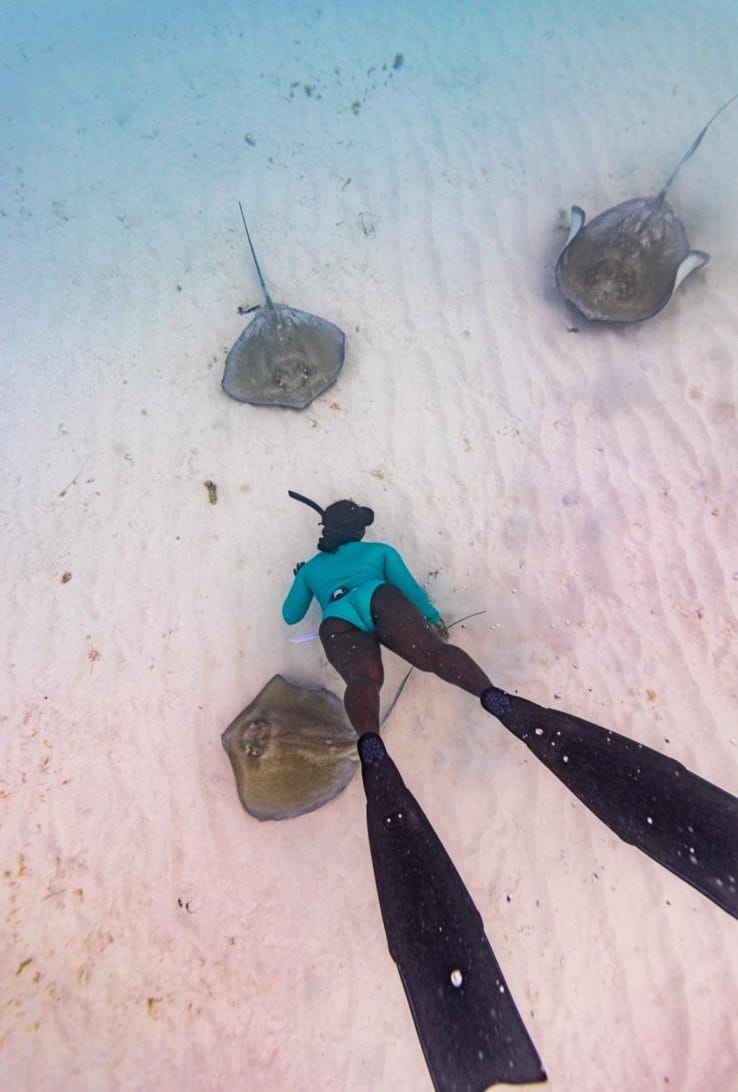
We are also proud to highlight one our very own women in science: Fisheries Biologist, Jalisa King. Below is her account of how she was drawn to science and the natural world.
I have always loved exploring and living on a small island; the ocean was always at my fingertips. Putting on goggles and diving into the underwater world was always exciting because I never knew what I would find. I once got an oceans book for my birthday filled with facts and challenges the ocean faces and from then I wanted to pursue this path.
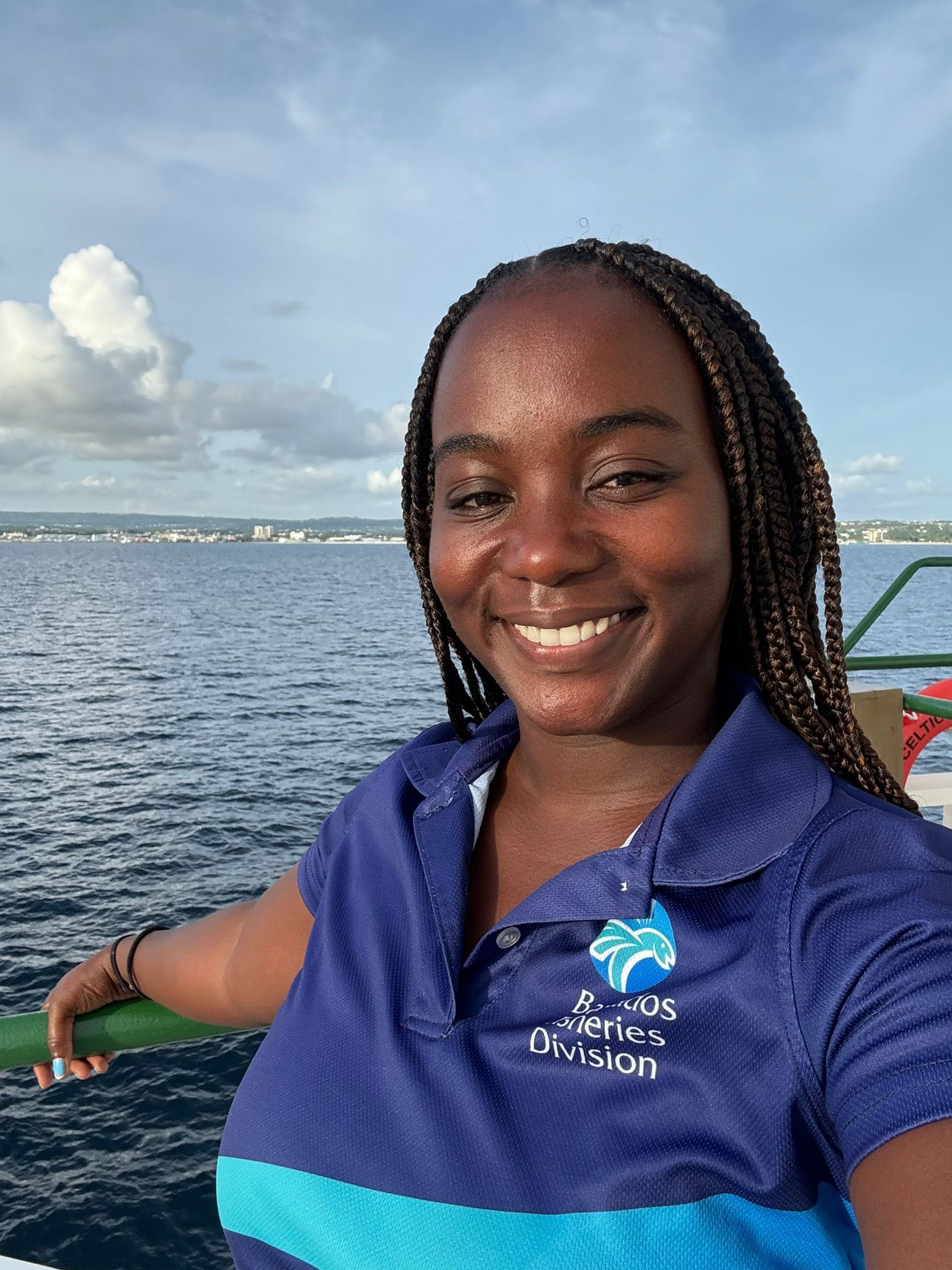
Aspects of Jalisa's work that makes her feel proud or hopeful
We recently started a dolphinfish tagging programme aimed to contribute data on the growth rates and migration patterns across the region with the dolphin reserch programme. Also, Barbados is currently undergoing a Marine Spatial Plan and we need to gather alot of data to inform this process. Recently, we have conducted cetacean surveys with the Caribbean Cetacean Society and bathymetric surveys of our EEZ onboard the RV Celtic Explorer. I felt proud to be a pioneer in these scientific studies, strengthening my capacity, scientific knowledge and addressing data gaps for Barbados.
Some of the most significant challenges women or girls face in science
I believe we are often not taken seriously, especially when it comes to field work. They don't think we can lift tanks when we go diving or that they don't think we can handle going in a mangrove with smelly swamp like conditions. At times, we are overlooked for this perception and men are favoured for field positions while we are stuck behind a desk. But we are just as capable, sometimes even more.
A message for girls considering a career in science or fisheries
Even though these fields are heavily male-dominated, just do it. Do it scared, do it when you feel the imposter syndrome coming on, do it because you want to and at the end of the day you will be proud of yourself for being brave.