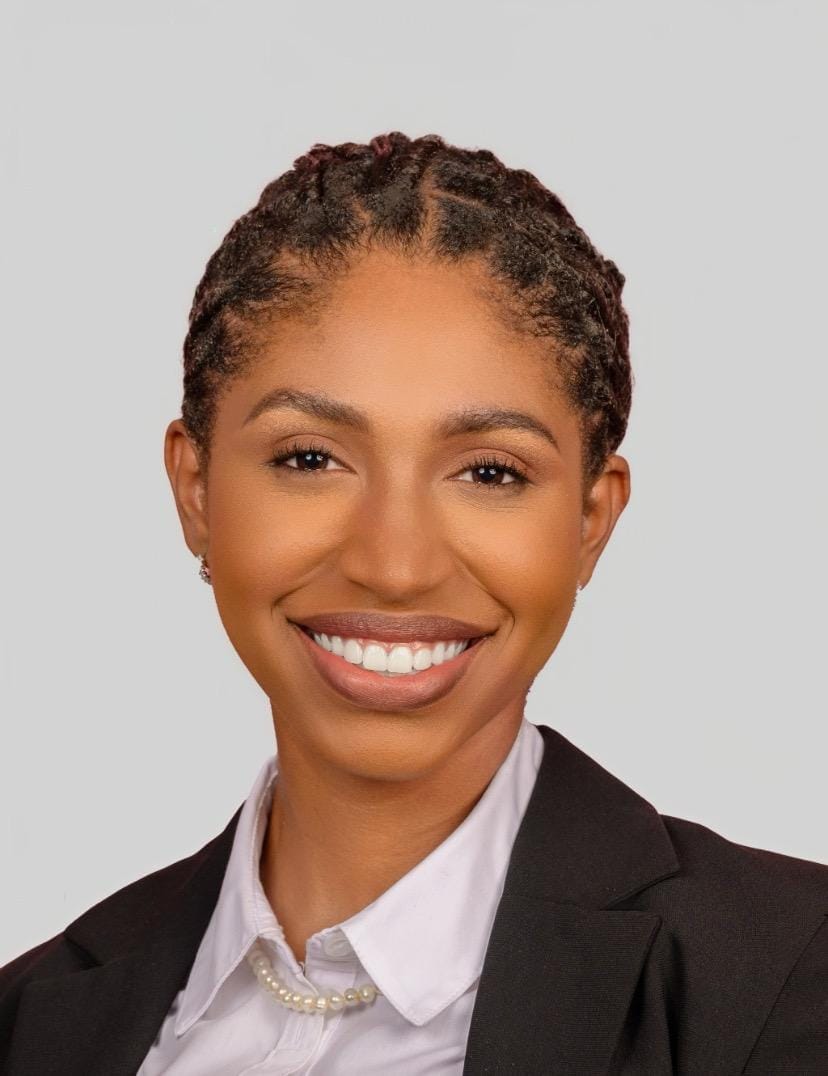

Fisheries Legal Consultant, Makayla Williams, will be presenting at the EU–Latin America Academic Synergies’ (EULAS) conference, titled the Euro-Latin America & Caribbean cooperation in governing Climate and Biodiversity and Achieving the Sustainable Development Goals.
The conference, which will be held in Rio de Janeiro, Brazil from the 23rd-25th of March, will focus on the various geopolitical and environmental transformations which have reshaped the landscape of climate and biodiversity governance.
Ms. William's presentation, titled Illegal, Unreported and Unregulated Fishing in the Caribbean Region: A Shared Responsibility of States focuses on the role the Caribbean Community (CARICOM) should play in combatting IUU fishing in the region.
Please see the abstract below:
Illegal, unreported and unregulated (IUU) fishing, a term popularised by the United Nations Food and Agriculture Organisation, poses a significant threat to marine biodiversity, food security and the sustainable management of fish stocks. Major cases of IUU fishing have occurred within the exclusive economic zones of Asian and African countries, resulting in a reduction in the stock of small-scale and regional fish.
The United Nations Convention on the Law of the Sea (UNCLOS) has gaps in its enforcement and compliance, meaning it fails to address illegal, unreported and unregulated (IUU) fishing adequately. As a result of this, the Sub-Regional Fisheries Commission requested an Advisory Opinion from the International Tribunal for the Law of the Sea (ITLOS, Case No. 21) to determine State responsibility for combatting IUU fishing in their EEZ. Similarly, in the Caribbean, individual Small Island Developing States share fish stocks and maritime boundaries which forces shared effort and cooperation to combat IUU fishing.
The research paper examines the shared responsibility of CARICOM States in combating IUU fishing, through analysis of the ITLOS Case No. 21 Advisory Opinion on the Obligation of States for Illegal Unreported and Unregulated Fishing. The research paper aims to address the central question: To what extent does the principle of shared responsibility extend across CARICOM Member States in addressing IUU fishing. This paper argues that, despite the formal distinction between the responsibilities of coastal, flag and port States, the interconnected nature of Caribbean maritime boundaries gives rise to a shared, functional responsibility to prevent, deter and respond to illegal, unreported and unregulated (IUU) fishing. This paper employs doctrinal legal analysis and insights from the ITLOS opinion to evaluate measures aimed at combatting IUU fishing in the Caribbean. It considers factors such as the impact of climate change on fish stocks, ineffective monitoring and control systems, and the informal nature of the small-scale fisheries sector.
This paper concludes with proposals for enforcement and cooperative governance measures in the Caribbean. These aim to improve compliance and accountability and strengthen regional fisheries management.